
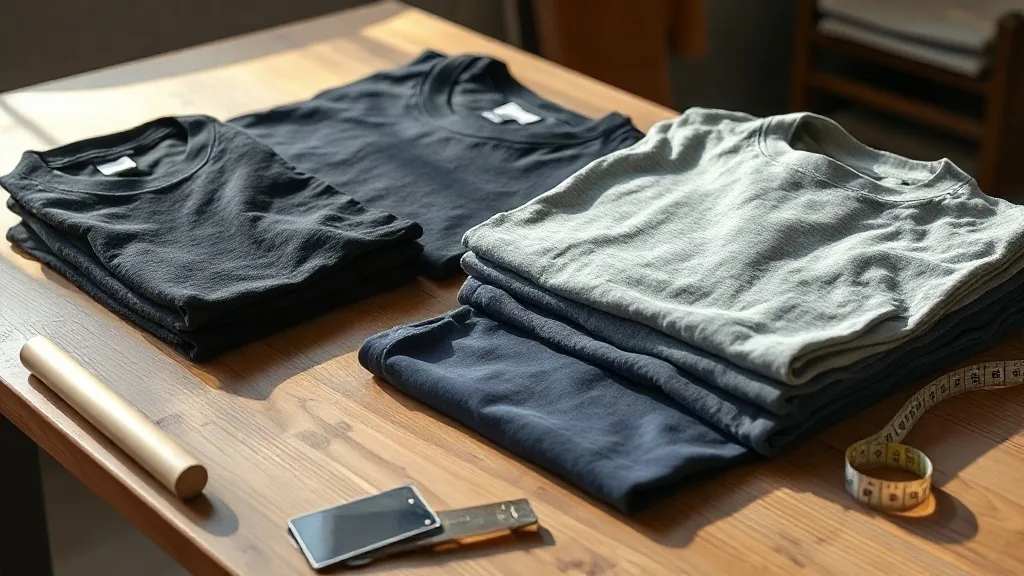
You know that moment when a customer hands you a blank and says, "Make it feel expensive"? That's where shaka wear keeps showing up in my shop. Not because of a marketing pitch, but because the fabric has enough body to hold a screen print without going limp, and the cut doesn't look like a giveaway tee. After running these blanks through dozens of orders, from small batch drops to 500-piece runs, I've got notes worth sharing.
Why Heavyweight Blanks Matter More Than You Think
Most customers don't ask about fabric weight. They ask why their logo looks faded after three washes, or why the shirt twists at the hem. Nine times out of ten, the answer traces back to the blank. A 5.5 oz tee and a 7 oz tee can look identical on a hanger, but they behave completely differently once ink, heat, and a washing machine get involved.
Shaka Wear sits in that heavyweight range where the fabric has enough density to resist the pull of a plastisol print. When you lay down a large chest print on a lighter blank, the fabric tends to stretch and pucker around the ink. On a heavier cotton, the print sits cleaner and the shirt keeps its shape. That's not a small detail when you're printing a 12-inch back graphic for a local band or a workwear logo for a construction crew.
The Hand Feel Question
Heavyweight doesn't have to mean sandpaper. The Shaka tees I've handled have a dry, slightly textured hand that softens after the first wash. They're not brushed or peached like some retail blanks, which is actually helpful for printing. A brushed surface can cause ink to sit unevenly, especially with water-based discharges. The tighter, flatter face of a Shaka tee takes a screen cleanly and holds fine detail in halftones.
Fit and Sizing: What to Expect Before You Order
Here's where I see the most surprises. Shaka Wear tees run on the generous side through the chest and shoulder, with a straight body that doesn't taper much at the waist. For a streetwear drop, that's ideal. For a corporate order where everyone expects a slim fit, you'll want to size down or set expectations early.
A few practical notes from my order sheets:
- Sleeves run slightly longer than a standard retail tee, which works well for taller customers but can feel loose on smaller frames.
- Body length is true to size, so tall customers won't get that riding-up effect after a wash.
- Shrinkage is minimal compared to commodity blanks, but a cold wash and low tumble dry still keeps things predictable.
If you're ordering for a mixed group, pull a size run and try them on before committing to a bulk order. It sounds obvious, but I've seen more reprints caused by skipped fit checks than by print errors.
Printing on Shaka Wear: What Works and What Doesn't
Plastisol is the safe bet. The fabric's tight weave holds a standard 156 to 230 mesh screen without flooding, and the ink cures evenly because the cotton doesn't trap moisture the way a heavier fleece would. Water-based inks also work well, but you'll want to test your discharge additive on a scrap piece first. The dye lots can vary slightly between colors, and a discharge that pulls perfectly on a black tee might look muted on a navy one.
What I'd avoid: very large, solid-fill prints with no underbase on lighter colors. The fabric is opaque enough that a single pass looks fine on a sample, but after a few washes, the print can start to show the weave texture underneath. A thin underbase solves it without adding much weight.
Embroidery Considerations
Heavyweight cotton can be tricky for embroidery because the needle has to push through more fabric. On Shaka tees, I've had good results with a 75/11 needle and a medium-weight cutaway backing. The fabric density actually helps the stitch sit up rather than sink in, which gives logos a cleaner edge. Just don't skip the backing, especially on left-chest placements where the fabric pulls.
How Shaka Wear Compares to Smart Blanks in Real Runs
I keep both smart blanks and Shaka Wear on the shelf, and they serve different jobs. Smart Blanks tend to run a bit softer out of the bag and have a more retail-ready drape, which makes them a strong choice for fashion-forward drops or events where the shirt is the product. Shaka Wear leans more toward workwear and streetwear: structured, dense, and built to take a print without flinching.
For a brewery merch order, I'd reach for Shaka. For a boutique fitness studio that wants a soft, fitted tee, Smart Blanks usually wins. Neither is better across the board. The mistake is treating them as interchangeable and ordering based on price alone.
Cost Per Wear vs. Cost Per Unit
A blank that costs a dollar less per unit but generates a 10% reprint rate isn't cheaper. When I factor in labor, ink, and the customer conversation after a failed run, the heavier blank pays for itself. That's the argument I make to clients who balk at the upfront difference. Most of them come around after the first wash test.
Care Instructions Worth Passing to Your Customers
You can print the best shirt in the world and watch it fall apart in a customer's laundry room. A few lines on the hangtag or in the order confirmation go a long way:
- Wash cold, inside out, and skip the fabric softener. Softener coats the cotton and dulls the print over time.
- Tumble dry low or hang dry. High heat is the main cause of shrinkage and print cracking.
- Don't iron directly over the print. A press cloth or a low setting on the reverse side keeps the ink intact.
These aren't glamorous tips, but they cut down on "my shirt looks old after two weeks" emails, which is worth more than any marketing copy.
Frequently Asked Questions
Are Shaka Wear tees true to size for unisex orders?
They run slightly generous through the chest and shoulder. If your group is used to slim-fit retail tees, consider sizing down or ordering a sample run first. For streetwear or workwear, the standard size usually works well.
Can I use water-based inks on Shaka Wear heavyweight tees?
Yes, and they perform well, especially with a discharge underbase on darker colors. Test your additive on a scrap piece first because dye lots can vary slightly between colors.
How much do Shaka Wear tees shrink after washing?
Shrinkage is minimal compared to commodity blanks, especially with a cold wash and low tumble dry. Expect a small amount of relaxation in the body, but nothing that changes the fit dramatically.
Is Shaka Wear a good choice for embroidery?
It works well with a medium-weight cutaway backing and a 75/11 needle. The fabric density helps stitches sit up cleanly, but don't skip the backing on left-chest placements.
What's the main difference between Shaka Wear and Smart Blanks for printing?
Shaka Wear is denser and more structured, which suits large prints and workwear. Smart Blanks are softer and more retail-ready, which suits fashion drops and fitted styles. Choose based on the end use, not the price tag.