
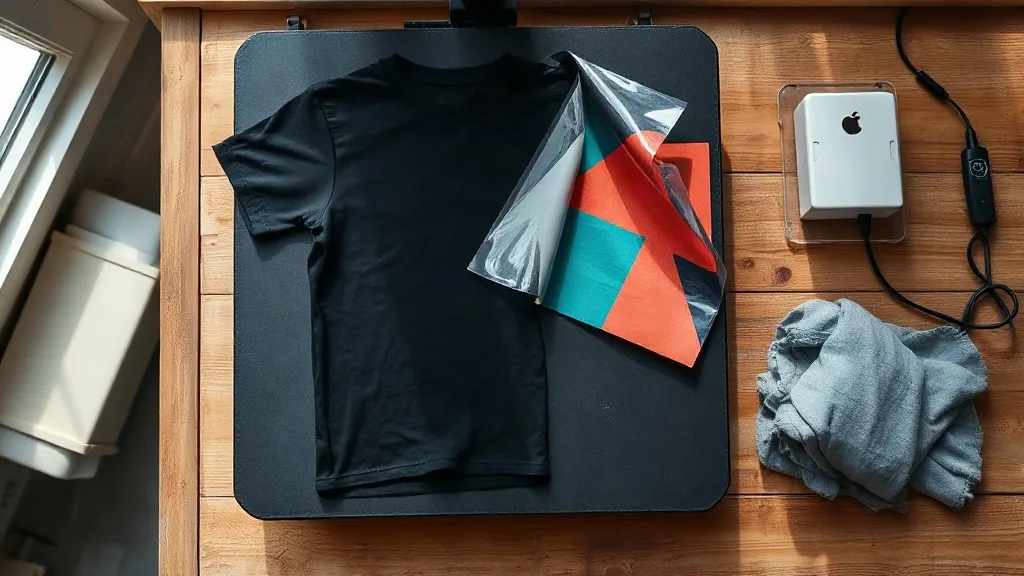
If you have spent any time around a print shop or a craft market in the last couple of years, you have probably noticed the rise of dtf transfers. They show up on cotton tees, blended hoodies, canvas totes, and even the occasional polyester jersey, and they tend to look vibrant and durable in a way that a lot of hobbyists used to associate only with screen printing. The appeal is easy to understand once you know how the process works and where it fits into a real workflow.
This guide walks through what dtf actually is, how the transfer process differs from other decoration methods, which fabrics it handles well, what to watch out for when you buy prints, and how to get a clean, wash-resistant result at home or in a small shop. It is written for people who are past the curiosity stage and want to make a decision they will not regret in three months.
What DTF Transfers Actually Are
DTF stands for direct to film. A printer lays a mirror image of your artwork onto a special coated film using water-based pigment inks, then applies a hot-melt adhesive powder over the wet ink. Once the powder is cured, you have a flexible, pre-printed transfer sheet that can be stored flat and applied later with a heat press.
The important distinction is that the ink never touches the garment during printing. The film carries the design, the adhesive bonds it to the fabric, and heat does the final work. That separation is what gives DTF its flexibility. You can print a hundred transfers today and press them onto different garments next week, mixing colors, sizes, and fabric types without reconfiguring anything.
How the layers stack up
A finished transfer is essentially three components: the ink layer that holds the color, the adhesive powder layer that grips the fabric, and the carrier film that keeps everything aligned until you press it. When you peel the film after pressing, the ink and adhesive stay on the garment while the carrier comes away clean. If you have ever peeled a transfer and watched half the design lift off with it, that is usually a sign the adhesive was under-cured or the press settings were off.
Why Small Shops Have Embraced This Method
Screen printing still wins on huge runs where per-unit cost matters most, and vinyl cutting still makes sense for simple one-color names and numbers. DTF sits in a useful middle ground: full-color work, short runs, and no setup cost per design.
- No minimum order. You can press a single shirt if that is all a customer wants.
- Full color without color separations or screens.
- Works on cotton, polyester, blends, and even some nylon and canvas.
- Transfers store flat for months if kept dry and out of direct sun.
- Fine detail and gradients hold up well, which matters for logos with small type.
For a one-person operation selling at markets or taking orders through social media, that combination removes a lot of friction. You are not committing to a screen or a roll of vinyl before you know whether a design will sell.
Fabric Compatibility and the Limits to Know
DTF handles a wider range of materials than most people expect, but it is not universal. Cotton and cotton-poly blends are the sweet spot. The adhesive bonds cleanly, the hand feel stays soft, and wash durability is strong when the press is set correctly.
Polyester is workable but needs attention. Very heat-sensitive polyesters can scorch or develop a sheen under high temperatures, so lower the press temperature and extend the dwell time. Some treated performance fabrics, especially those with a slick or water-repellent finish, will reject the adhesive altogether. Test a scrap before you commit a full order.
What about nylons, coated canvas, and heavily textured fabrics? Nylon can work with a lower-temperature press and a longer cure, but results vary by manufacturer. Coated canvas often fails because the coating releases under heat. Textured fabrics like ribbed knits and terry cloth can push the transfer into the valleys of the weave, which sometimes looks fine and sometimes looks patchy. A quick test press on an offcut saves a lot of frustration.
What to Check Before You Buy Prints
The quality gap between suppliers is wider than most buyers expect. Two transfers that look identical on the sheet can behave very differently after ten washes. When you are evaluating a supplier, these are the things that actually predict performance.
- Powder coverage. Look at the back of the sheet under a light. Uneven or sparse powder means weak adhesion in those spots.
- Ink density. Hold the print up to a window. Thin, washed-out areas will look faded on dark garments.
- Film stiffness. Overly stiff carrier film can wrinkle during pressing and leave marks around the design edge.
- Cure quality. Fresh, properly cured transfers feel dry and slightly tacky, not wet or greasy.
- Storage advice. A supplier who tells you how to store transfers is usually a supplier who understands them.
If you are searching for dtf transfers near me, prioritize a supplier who can answer technical questions about press temperature and powder type. A local source that ships fast and picks up the phone is worth more than a slightly cheaper option that leaves you guessing.
Press Settings That Actually Work
Every press and every transfer brand has its own ideal settings, so treat any number as a starting point rather than gospel. That said, a reliable baseline for cotton and cotton blends looks like this:
- Temperature: around 150 to 160 degrees Celsius (300 to 320 Fahrenheit)
- Pressure: medium to firm, enough that you can see the fabric weave through the carrier film
- Pre-press: 5 seconds to remove moisture from the garment
- Press time: 10 to 15 seconds
- Peel: warm peel for most films, cold peel for some
- Post-press: a second 5-second press with a cover sheet for a smoother finish
Pre-pressing the garment matters more than people give it credit for. Moisture trapped in cotton turns to steam under the platen and can cause adhesion failures that look like supplier defects. Give the shirt a quick press before the transfer goes down and you eliminate a whole category of problems.
Peeling and finishing
Peel direction and temperature both affect the final edge quality. A warm peel generally gives a softer edge on cotton, while a cold peel can produce a crisper line on some films. Follow the supplier's recommendation first, then adjust. After peeling, a short second press with a Teflon sheet or parchment smooths the surface and improves wash durability noticeably.
Wash Durability: What to Tell Your Customers
Properly applied DTF transfers on cotton will typically survive dozens of wash cycles without meaningful cracking or fading. The failures people complain about usually trace back to three causes: under-cured adhesive, insufficient pressure, or washing inside out at high heat.
Give customers simple care instructions and most issues disappear. Wash inside out in cold or warm water, avoid fabric softener on the printed area, and skip the dryer on high heat or tumble on low. Ironing directly over the print is the fastest way to ruin it, so mention that too. A small card with care notes costs almost nothing and cuts down on returns.
Where DTF Fits in a Real Product Line
The strongest use case is variety. A shop selling custom apparel can offer a full-color design on a cotton tee, the same design scaled down on a kids' shirt, and a version on a poly-blend hoodie, all from one print file. That flexibility is hard to match with other methods at low volume.
It also works well for sample runs and proofs. Press one shirt, photograph it, and use that photo to sell the design before you invest in a larger production method. If the design takes off, you can move to screen printing for cost efficiency. If it does not, you have spent a few dollars instead of a few hundred.
Where it struggles is on very large orders of simple one-color designs, where screen printing will beat it on unit cost, and on garments with specialty coatings that reject adhesive. Knowing those limits keeps you from promising something the process cannot deliver.
Frequently Asked Questions
Can I apply DTF transfers with a home iron?
You can, but results are inconsistent. A home iron does not deliver even pressure or stable temperature across the whole design, so edges tend to lift and adhesion is weaker. A small heat press is the better investment if you plan to do more than a handful of pieces.
How long can I store unused transfers?
Stored flat, dry, and away from direct sunlight, most transfers stay usable for six months to a year. Humidity is the main enemy because it affects the adhesive powder. Keep them in a sealed bag with a desiccant pack if you live somewhere damp.
Do DTF transfers work on dark and light garments equally well?
Yes, and that is one of the method's advantages. The white ink layer sits under the color, so a design holds its vibrancy on black, navy, or white fabric without needing a separate white underbase step. Very dark garments may need slightly more pressure to ensure full contact.
Why is my transfer cracking after a few washes?
Almost always a cure or pressure issue. Under-cured powder does not fully bond, and light pressure leaves the adhesive sitting on top of the fabric weave rather than anchored into it. Re-check your temperature with a separate probe, increase pressure, and try a longer dwell time before blaming the supplier.
Is DTF more expensive than vinyl?
Per unit, simple one-color vinyl is usually cheaper. Once a design has multiple colors, gradients, or fine detail, DTF becomes both cheaper and faster because there is no weeding and no layering. For full-color work in small quantities, it is typically the most economical option available.