
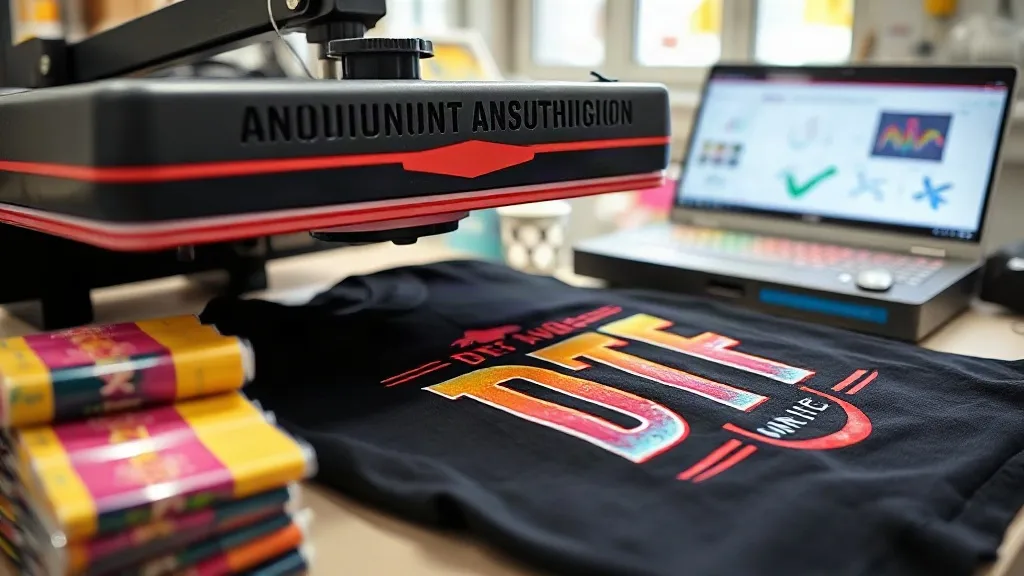
Custom apparel has never been more accessible, thanks to advances in printing technology. Among the most exciting developments is dtf transfers, a method that allows for vibrant, detailed designs on a wide range of fabrics. Whether you're a small business owner looking to create branded merchandise, a sports team needing uniforms, or simply a DIY enthusiast, understanding DTF transfers can open up a world of creative possibilities.
What Are DTF Transfers?
DTF stands for Direct to Film. It's a printing technique where your design is printed onto a special film, then coated with a powder adhesive and cured. The result is a transfer that can be heat-pressed onto fabrics. Unlike other methods, dtf transfers work on almost any material, including cotton, polyester, nylon, and even blends. This versatility makes them a favorite for custom apparel.
The DTF Printing Process
The process begins with your digital design. The printer lays down a layer of white ink (if needed) followed by colored inks onto a PET film. While the ink is still wet, a hot-melt powder is applied, which adheres to the ink. After shaking off excess powder, the film is cured in an oven or with a heat gun. The transfer is now ready to be stored or applied.
Why Choose DTF Transfers?
There are several reasons why DTF transfers have gained popularity:
- No color limitations: DTF can print full-color designs with gradients and fine details, without the need for separate screens.
- Fabric versatility: Works on light and dark fabrics, as well as materials like polyester and cotton.
- Durability: When applied correctly, DTF transfers are wash-resistant and can withstand repeated wear.
- Cost-effective for small runs: No setup fees or minimum orders, making it ideal for one-off projects or small batches.
How to Apply DTF Transfers
Applying DTF transfers requires a heat press. Here's a step-by-step guide:
- Preheat your heat press to 325°F (160°C).
- Place your garment on the press and pre-press for a few seconds to remove moisture.
- Position the DTF transfer on the garment with the printed side facing up.
- Press with medium pressure for 10-15 seconds.
- Wait for the transfer to cool completely (cold peel) before removing the film.
For best results, always follow the instructions provided with your transfers.
Finding DTF Transfers Near You
If you're looking to try DTF transfers, you might search for dtf transfers near me. Many local print shops now offer DTF services. However, online suppliers like patchesup.com provide high-quality DTF transfers with fast shipping, so you can order from the comfort of your home. When choosing a supplier, look for vibrant colors, durable materials, and clear application instructions.
DTF vs. Other Printing Methods
How does DTF compare to screen printing, DTG, and vinyl?
DTF vs. Screen Printing
Screen printing is cost-effective for large orders but requires setup and is limited to simpler designs. DTF excels with complex, full-color designs and small batches.
DTF vs. DTG
Direct-to-garment printing is great for cotton but struggles with polyester. DTF works on both and often has a softer feel.
DTF vs. Vinyl
Vinyl is durable but limited to single colors and simple shapes. DTF allows for detailed, multi-color images.
Tips for Successful DTF Transfers
- Store transfers in a cool, dry place away from direct sunlight.
- Use a lint roller on the garment before pressing to remove debris.
- Ensure even pressure across the transfer for consistent adhesion.
- Wait for the transfer to cool completely before peeling for a smooth finish.
Frequently Asked Questions
Can I use DTF transfers on dark fabrics?
Yes, DTF transfers include a white ink layer that makes colors pop on dark materials.
How long do DTF transfers last?
With proper application and care, DTF transfers can last as long as the garment itself.
Do I need a special printer for DTF?
Yes, DTF requires a dedicated DTF printer and supplies, but you can order transfers from suppliers if you don't want to invest in equipment.
Can I stretch DTF transfers?
DTF transfers have some stretchability, making them suitable for stretchy fabrics, but avoid overstretching to prevent cracking.
Whether you're creating custom t-shirts for your team or launching a merchandise line, DTF transfers offer a versatile and high-quality solution. Explore the possibilities and bring your designs to life.