
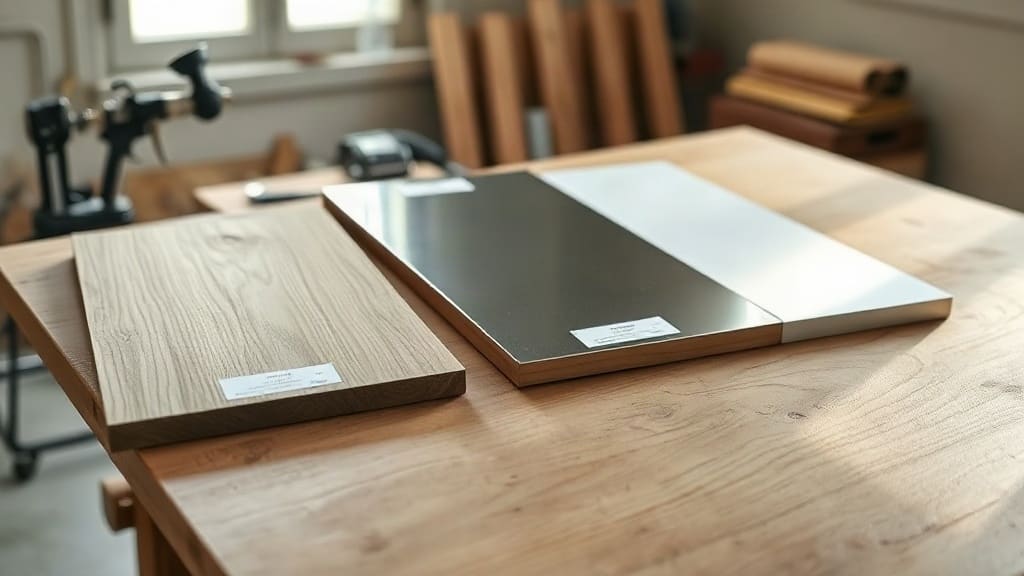
If you have ever spent hours sanding a surface only to find uneven spots after painting, you know how frustrating finishing can be. The secret to a flawless finish often lies not in the final coat but in what you start with: the blank. Enter smart blanks, a game-changing approach that is transforming how professionals and hobbyists achieve perfect results. In this article, we will explore what smart blanks are, why they matter, and how you can use them to save time, money, and materials.
What Are Smart Blanks?
At its core, a blank is the base material you work on, whether it is a piece of wood, metal, plastic, or composite. Traditional blanks often come with imperfections such as knots, warping, or inconsistent density, which can ruin your finish. Smart blanks are engineered to minimize these issues. They are produced using advanced technologies that ensure uniformity in thickness, moisture content, and surface quality. Think of them as the canvas for your masterpiece, but one that has been prepped to perfection.
Unlike standard blanks, smart blanks often incorporate features like embedded sensors, moisture barriers, or pre-treated surfaces that respond to environmental changes. This means they adapt to your working conditions, reducing the risk of cracks, bubbles, or adhesion problems. For example, in woodworking, a smart blank might have a moisture-resistant coating that prevents swelling, while in automotive refinishing, a smart blank could be a panel with a self-leveling primer already applied.
Why Smart Blanks Matter for Your Projects
You might wonder if the extra cost of smart blanks is worth it. The answer is a resounding yes, and here is why.
Consistency and Quality
One of the biggest challenges in finishing is achieving a consistent look across multiple pieces. With traditional blanks, natural variations can lead to mismatched colors or textures. Smart blanks are manufactured to tight tolerances, so every piece behaves the same way. This is crucial for production runs, where even a small deviation can mean costly rework.
Time and Cost Savings
Because smart blanks require less prep work, you spend less time sanding, filling, and priming. That translates directly to labor savings. Additionally, their predictable behavior reduces the chance of errors, meaning fewer ruined pieces and less wasted material. Over a year, these savings can add up significantly, especially for small businesses.
Enhanced Durability
Many smart blanks are engineered for longevity. For instance, in exterior applications, they resist moisture and UV damage better than conventional blanks. This extends the life of your finished product, whether it is a piece of furniture or a car panel.
Types of Smart Blanks
Smart blanks come in various forms, each tailored to specific industries and applications. Understanding the different types can help you choose the right one for your project.
- Wood-based smart blanks: These are often made from engineered wood like MDF or plywood with enhanced properties. They may feature moisture-resistant resins or be pre-sanded to a high grit.
- Metal smart blanks: Used in automotive and aerospace, these blanks might have anti-corrosion coatings or be pre-primed for painting. Some even have embedded sensors to monitor stress.
- Composite smart blanks: These combine materials like fiberglass and resin to create lightweight, strong blanks that resist warping. They are popular in marine and automotive applications.
- Plastic smart blanks: Often used in signage and displays, these blanks are formulated to accept paints and adhesives without requiring special treatments.
Each type offers unique advantages, so consider your specific needs before choosing.
How to Choose the Right Smart Blank
Selecting the perfect smart blank involves assessing your project requirements, budget, and working environment. Here are key factors to consider:
- Material compatibility: Ensure the blank is compatible with your intended finish, whether it is paint, stain, or adhesive.
- Environmental conditions: If your project will be exposed to moisture or temperature swings, opt for a smart blank with appropriate resistance.
- Thickness and size: Smart blanks come in various dimensions. Choose one that matches your project to minimize cutting and waste.
- Budget: While smart blanks cost more upfront, factor in the savings from reduced labor and materials.
- Supplier reputation: Buy from reputable sources to ensure you get genuine smart blanks with the promised features.
For example, if you are building outdoor furniture, a wood-based smart blank with moisture resistance is ideal. For a car restoration, a metal smart blank with anti-corrosion properties will serve you better.
Tips for Working with Smart Blanks
Even with the best materials, technique matters. Here are some expert tips to get the most out of your smart blanks.
Preparation
Although smart blanks are pre-treated, a light scuff sanding can improve adhesion. Always follow the manufacturer's recommendations. Clean the surface with a tack cloth to remove dust.
Finishing
Apply finishes in thin, even coats. Because smart blanks are uniform, you may find that fewer coats are needed. Allow proper drying time between coats to avoid trapping solvents.
Handling and Storage
Store smart blanks in a dry, flat area to prevent warping. Handle with clean gloves to avoid oils from your skin affecting the finish.
Common Mistakes to Avoid
Even seasoned pros can slip up. Watch out for these pitfalls:
- Over-sanding: Smart blanks are designed to be ready to finish. Excessive sanding can remove protective layers.
- Using incompatible finishes: Always check that your paint or stain is suitable for the blank's material.
- Ignoring environmental factors: If you are working in a humid environment, take extra care to acclimate the blank before finishing.
- Skipping testing: Always test your finish on a small area first to ensure compatibility.
Frequently Asked Questions About Smart Blanks
What exactly makes a blank "smart"?
A smart blank is engineered with features that enhance its performance, such as moisture resistance, pre-treatment, or embedded sensors. These features reduce preparation time and improve finish quality.
Are smart blanks more expensive than regular blanks?
Yes, they typically cost more upfront. However, the savings from reduced labor, less waste, and better results often outweigh the initial investment.
Can I use smart blanks for outdoor projects?
Absolutely. Many smart blanks are specifically designed for outdoor use, with enhanced resistance to moisture, UV, and temperature changes. Just check the product specifications.
How do I know which smart blank is right for my project?
Consider the material, environmental conditions, and finish type. If unsure, consult with a supplier or read industry guides. Testing a sample is always a good idea.
Do smart blanks require special tools?
No, they can be cut, sanded, and finished with standard tools. However, always follow the manufacturer's recommendations for best results.
Incorporating smart blanks into your workflow can elevate the quality of your finishes while saving you time and frustration. Whether you are a professional contractor or a weekend warrior, these innovative materials are worth exploring. Visit patchesup.com to find high-quality smart blanks and expert advice for your next project.