
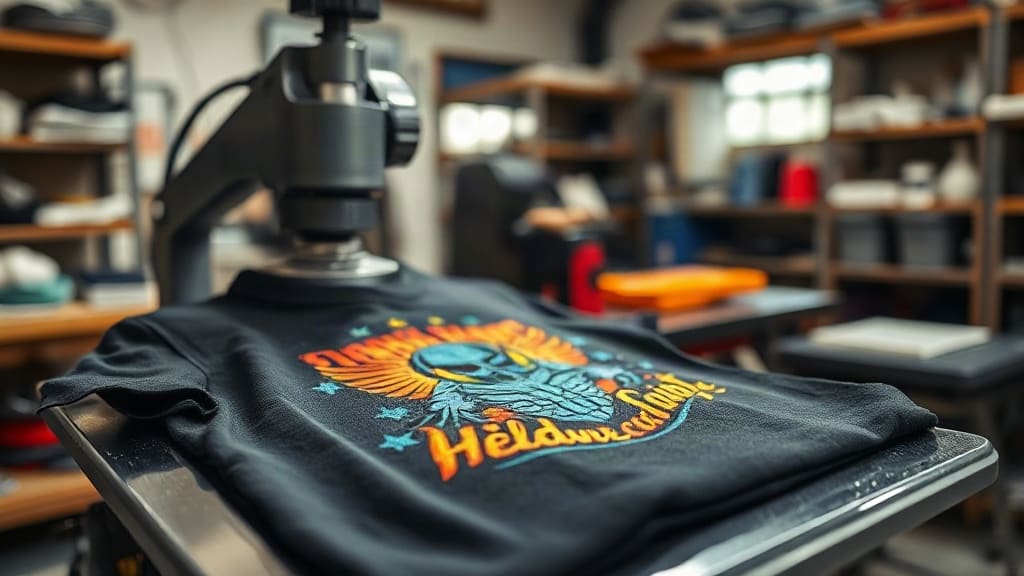
Custom apparel printing has evolved dramatically over the past decade, and one technology that's been making waves is DTF transfers. If you're in the business of creating personalized t-shirts, hoodies, or tote bags, you've likely heard the term. But what exactly are DTF transfers, and why are they gaining such popularity? In this guide, we'll dive deep into the world of DTF printing, covering everything from the basics to advanced tips, so you can decide if it's the right fit for your next project.
What Are DTF Transfers?
DTF stands for Direct-to-Film. It's a printing method where your design is printed onto a special film, coated with a powder adhesive, and then heat-pressed onto the fabric. Unlike DTG (Direct-to-Garment) printing, which prints directly onto the shirt, DTF transfers allow you to print on a wide range of materials, including cotton, polyester, blends, and even nylon. The process involves a specialized printer, DTF ink, a powder shaker, and a heat press. The result is a vibrant, durable transfer that can stretch with the fabric without cracking.
How DTF Transfers Work: Step by Step
Understanding the workflow helps you appreciate the technology. Here's a breakdown:
- Design Preparation: Create your artwork in a graphics program, ensuring it's mirrored horizontally because the film is pressed face-down onto the garment.
- Printing: The design is printed onto a PET film using DTF inks (often CMYK plus white). The white ink layer is crucial for opacity on dark fabrics.
- Powder Application: While the ink is still wet, a thermoplastic powder is applied evenly over the print. Excess powder is shaken off.
- Curing: The film goes through a heat source (like a tunnel oven) to melt the powder, creating a adhesive layer.
- Transfer: The film is placed on the garment and heat-pressed at a specific temperature and pressure for a set time. After cooling, the film is peeled away, leaving the design bonded to the fabric.
Why Choose DTF Transfers Over Other Methods?
Each printing method has its strengths, but DTF offers a unique combination of benefits that make it a game-changer for many businesses.
1. Unlimited Color and Detail
DTF transfers can reproduce full-color images with gradients, fine lines, and photographic details without the need for color separation or screens. This makes it ideal for complex designs that would be costly or impossible with screen printing.
2. Fabric Versatility
Unlike DTG, which works best on 100% cotton, DTF adheres well to polyester, cotton-poly blends, leather, and even treated nylon. This opens up possibilities for printing on performance wear, jackets, and specialty items.
3. Durability and Stretch
When applied correctly, DTF transfers are highly durable. They resist cracking, peeling, and fading after repeated washes. The stretchable nature of the transfer means it moves with the fabric, making it suitable for athletic wear.
4. No Pre-Treatment Required
DTG printing often requires pre-treating the garment to improve adhesion and color vibrancy. DTF eliminates this step, saving time and reducing chemical use.
5. Cost-Effective for Short Runs
For small batches or one-off items, DTF is more economical than screen printing, which requires setup costs per color. You can print a single transfer or hundreds without a significant cost difference per unit.
DTF vs. Other Printing Methods: A Quick Comparison
To help you decide, here's how DTF stacks up against common alternatives:
- DTG: Best for 100% cotton, requires pretreatment, limited on dark poly. DTF wins on fabric versatility and no pretreatment.
- Screen Printing: Cost-effective for large runs, but limited colors and not ideal for photorealistic designs. DTF excels for detailed, multi-color prints.
- Heat Transfer Vinyl (HTV): Good for simple designs and names, but layering multiple colors is time-consuming. DTF allows complex designs in one press.
- Sublimation: Only works on polyester and light colors; DTF works on any color and fabric.
Applications of DTF Transfers
DTF is not just for t-shirts. Its versatility makes it suitable for:
- Custom apparel: t-shirts, hoodies, polos, tank tops.
- Activewear: leggings, sports jerseys, yoga pants (thanks to stretch).
- Accessories: tote bags, hats, aprons.
- Home decor: pillow covers, quilt squares.
- Promotional items: uniforms, event merchandise.
How to Apply DTF Transfers: Best Practices
Getting a perfect press requires attention to detail. Follow these guidelines for optimal results.
Temperature, Pressure, and Time
Typical settings are 300-325°F (150-160°C) for 10-15 seconds with medium pressure. However, always check the manufacturer's recommendations for your specific film and powder. Too much heat can scorch the fabric; too little can cause poor adhesion.
Peeling Technique
DTF transfers are usually peeled cold or warm. Cold peel means waiting until the transfer is completely cool before removing the film. This often yields a matte finish. Warm peel (peeling while still warm) can give a glossier look but risks distortion. Experiment to see what works best with your setup.
Pre-Pressing the Garment
Always pre-press the garment for a few seconds to remove moisture and wrinkles. This ensures a smooth surface for the transfer to adhere to.
Post-Pressing for Durability
After peeling, some professionals recommend a second press with a Teflon sheet for a few seconds to further embed the transfer. This can enhance wash durability.
Common Challenges and Solutions
Even with the best equipment, issues can arise. Here are some common problems and how to fix them.
Transfer Not Adhering
Possible causes: insufficient pressure, incorrect temperature, or too short dwell time. Increase pressure, check temperature with a heat gun, and extend press time.
Cracking or Peeling After Wash
This often results from under-curing the powder or not enough pressure during transfer. Ensure the powder is fully melted (it should look glossy) and use firm pressure.
Color Fading
Use high-quality DTF inks and follow washing instructions: turn garment inside out, wash cold, and avoid bleach. Proper curing also prevents fading.
Design Tips for Stunning DTF Transfers
To make your prints stand out, consider these design principles:
- Use White Ink Underlayer: For dark fabrics, a white base ensures colors pop. Your RIP software should handle this automatically.
- Avoid Very Fine Details: While DTF can handle detail, extremely thin lines may not adhere well. Keep minimum line width around 0.5pt.
- Test on Scrap Fabric: Always do a test press to check color and adhesion before production.
- Consider the Fabric Texture: Rough textures like ribbed knits may require more pressure to get the transfer into the valleys.
Frequently Asked Questions About DTF Transfers
Can I use DTF transfers on 100% polyester?
Yes, DTF works well on polyester. However, polyester is heat-sensitive, so use lower temperature (around 280-300°F) and shorter time to avoid scorching or dye migration. Some DTF films are specifically designed for low-temperature application.
How long do DTF transfers last?
With proper application and care, DTF transfers can last 50+ washes. The key is correct curing and using quality materials. Avoid washing with hot water and harsh detergents to extend the life.
Do I need a special printer for DTF?
You can convert a standard inkjet printer to use DTF inks, but it's recommended to use a dedicated DTF printer with a white ink channel and a powder shaker for efficient production. Entry-level DTF printers are available for small businesses.
Is DTF environmentally friendly?
DTF uses water-based inks and no solvents, making it more eco-friendly than some other methods. However, the PET film and plastic powder do create waste. Look for biodegradable films and recycle where possible.
Can I layer DTF transfers?
Yes, you can layer DTF transfers, but it's tricky. Press the first transfer, then apply the second on top. Use a lower temperature for the second press to avoid remelting the first. Alternatively, design your artwork to include all elements in one transfer.
Getting Started with DTF Transfers
If you're ready to explore DTF, start by investing in a reliable printer and supplies. Many suppliers offer starter kits that include film, powder, and ink. Practice on different fabrics to master the settings. Join online communities to learn from others' experiences. With a bit of experimentation, you'll be producing professional-grade custom apparel in no time.
DTF transfers are a powerful tool in the world of custom printing, offering unmatched versatility and quality. Whether you're a small business owner or a DIY enthusiast, understanding this technology can open up new creative and commercial opportunities. So why not give it a try? Your customers will love the vibrant, durable results.