
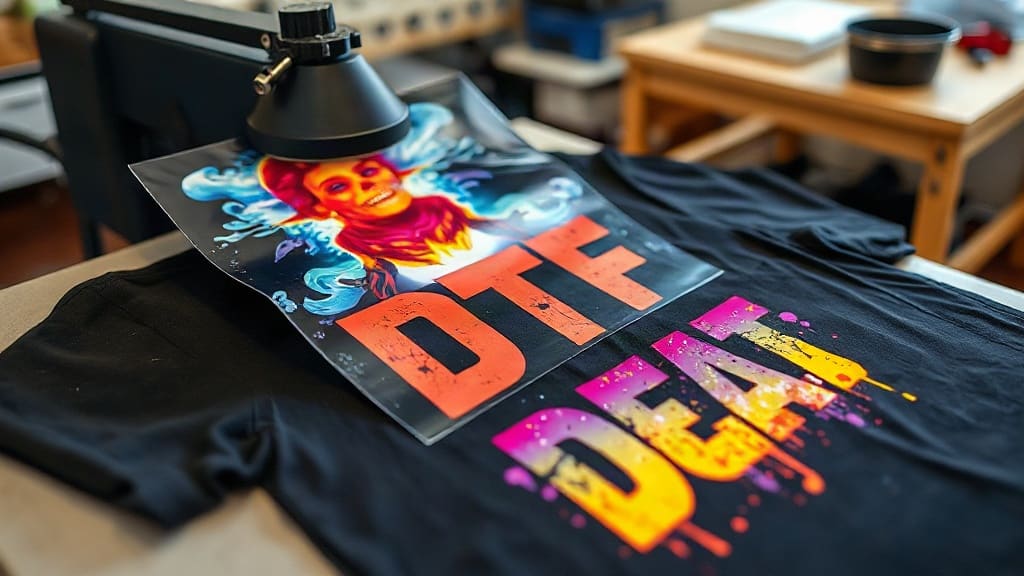
When it comes to creating custom apparel that stands out, DTF transfers have become a game-changer for both large-scale businesses and DIY enthusiasts. Unlike traditional methods that require multiple steps and specialized equipment, DTF transfers offer a streamlined approach to decorating t-shirts, hoodies, tote bags, and more. Whether you're looking to start a clothing brand, create team uniforms, or add a personal touch to gifts, understanding DTF transfers can open up a world of possibilities. In this guide, we'll dive deep into what DTF transfers are, how they work, their advantages, and how you can apply them like a pro.
What Are DTF Transfers?
DTF stands for Direct to Film. It's a printing technology where your design is printed onto a special film, coated with a adhesive powder, and then heat-pressed onto fabric. The result is a vibrant, durable transfer that can be applied to a wide range of materials, including cotton, polyester, and blends. Unlike DTG (Direct to Garment) printing, which prints directly onto the fabric, DTF transfers are printed on film first, allowing for more flexibility in terms of fabric types and colors.
The process involves several key steps: designing your artwork, printing it onto the film using specialized inks, applying a thermoplastic powder to the wet ink, curing the powder, and then transferring the design onto the fabric with a heat press. This method has gained popularity because it eliminates the need for weeding (like with vinyl) and can produce highly detailed, multi-color designs in a single pass.
Why Choose DTF Transfers?
There are several reasons why DTF transfers have become a preferred choice for many in the custom apparel industry. Let's explore the main benefits.
1. Versatility with Fabrics
One of the biggest advantages of DTF transfers is their ability to adhere to a wide variety of fabrics. Whether you're working with 100% cotton, polyester, silk, or even leather, DTF transfers can handle it. This is particularly useful for businesses that offer a range of products, from cotton tees to polyester athletic wear. Traditional methods like screen printing or vinyl can be limited in fabric compatibility, but DTF overcomes these limitations.
2. Vibrant and Durable Prints
DTF transfers produce bright, opaque colors that pop, even on dark garments. The prints are also highly durable, withstanding multiple washes without fading or cracking. This is thanks to the strong bond formed between the ink, adhesive powder, and fabric fibers. When applied correctly, DTF prints can last as long as the garment itself.
3. Cost-Effective for Small and Large Runs
For small businesses or individuals, DTF transfers are cost-effective because you don't need to invest in expensive equipment like screen printing presses or DTG printers. You can order pre-printed transfers from a service like PatchesUp and apply them with a heat press. For larger runs, DTF can still be economical, especially when compared to other methods that require setup fees or minimum order quantities.
4. No Weeding Required
If you've ever worked with heat transfer vinyl (HTV), you know the tedious process of weeding out tiny details. DTF transfers eliminate that step entirely. Your design is printed and ready to press, saving you time and reducing the risk of errors.
5. Detailed and Complex Designs
DTF transfers can reproduce intricate details, gradients, and photographic images with ease. Unlike vinyl, which requires layering for multi-color designs, DTF prints everything in one go, preserving the integrity of your artwork.
How to Apply DTF Transfers
Applying DTF transfers is straightforward, but following the correct steps ensures a professional, long-lasting result. Here's a step-by-step guide.
Step 1: Prepare Your Workspace
Set up your heat press in a well-ventilated area. Ensure the press is clean and calibrated. You'll also need a heat-resistant pad or silicone sheet, and a lint roller or cloth to remove any debris from the garment.
Step 2: Preheat the Garment
Preheat your heat press to the recommended temperature, usually around 300-325°F (150-160°C). Place the garment on the press and pre-press for 5-10 seconds to remove moisture and wrinkles. This step is crucial for proper adhesion.
Step 3: Position the Transfer
Place the DTF transfer on the garment with the printed side facing up. If your design has a specific orientation, make sure it's aligned correctly. You can use heat-resistant tape to hold it in place if needed.
Step 4: Press the Transfer
Cover the transfer with a silicone sheet or parchment paper. Apply medium to heavy pressure for 10-15 seconds. The exact time and temperature may vary depending on the film manufacturer, so always check the instructions provided with your transfers.
Step 5: Peel the Film
After pressing, allow the transfer to cool completely before peeling off the film. This is known as a cold peel. Peeling while hot can cause the design to stretch or lift. Once cooled, slowly peel the film away from the garment. If any part of the design lifts, re-press for a few seconds.
Step 6: Post-Press for Durability
For added durability, cover the design with a sheet and press again for 5-10 seconds. This helps the adhesive fully bond with the fabric. Your custom apparel is now ready to wear!
Common Mistakes to Avoid
Even with a simple process, some pitfalls can affect the quality of your DTF transfers. Here are a few to watch out for:
- Insufficient pressure: If the pressure is too low, the transfer may not adhere properly, leading to peeling. Always use medium to heavy pressure.
- Wrong temperature: Too hot and the film may scorch; too cold and the adhesive won't activate. Invest in a heat gun or infrared thermometer to verify temperature.
- Peeling too soon: Patience is key. Always wait for the transfer to cool before peeling.
- Not pre-pressing: Skipping pre-pressing can trap moisture, causing bubbles or poor adhesion.
- Using the wrong film: Not all DTF films are created equal. Choose high-quality transfers from reputable suppliers.
DTF Transfers vs. Other Printing Methods
How does DTF stack up against other popular decoration methods? Let's compare.
DTF vs. Screen Printing
Screen printing is cost-effective for large orders of simple designs, but it requires separate screens for each color, making multi-color jobs expensive. DTF excels with complex, multi-color designs and small runs, with no setup fees.
DTF vs. DTG
DTG prints directly onto the garment and works best on 100% cotton. It can be less vibrant on dark colors and requires pre-treatment. DTF works on more fabrics and produces brighter colors on darks, but involves an extra transfer step.
DTF vs. Vinyl
Vinyl is great for simple, single-color designs but requires weeding and layering for multi-color. DTF handles intricate details and gradients without the hassle.
Tips for Long-Lasting DTF Prints
To ensure your DTF transfers stand the test of time, follow these care tips:
- Wait 24 hours before washing the garment.
- Turn the garment inside out before washing.
- Use cold water and mild detergent.
- Avoid fabric softeners and bleach.
- Tumble dry on low or hang dry.
- Do not iron directly on the print.
Frequently Asked Questions About DTF Transfers
What fabrics can I use with DTF transfers?
DTF transfers work on a wide range of fabrics, including cotton, polyester, blends, silk, and leather. They are especially good for poly-cotton blends and dark colors.
How long do DTF transfers last?
With proper application and care, DTF transfers can last for years, often outlasting the garment itself. They are resistant to cracking, fading, and peeling.
Can I stretch DTF prints?
DTF prints have some stretchability, making them suitable for stretchy fabrics. However, excessive stretching can cause the print to crack over time. It's best to avoid over-stretching the design area.
Do I need a heat press for DTF transfers?
Yes, a heat press is required to apply DTF transfers. You can use a home iron, but results may vary, and it's harder to achieve consistent pressure and temperature. A heat press ensures professional results.
Where can I buy DTF transfers?
You can order custom DTF transfers from online suppliers like PatchesUp. Simply upload your design, choose the size, and receive ready-to-press transfers.
Conclusion
DTF transfers offer a versatile, durable, and cost-effective way to create custom apparel. Whether you're a business owner or a DIY enthusiast, mastering DTF transfers can elevate your creations. With the right techniques and a bit of practice, you'll be producing vibrant, long-lasting designs in no time. Ready to get started? Explore our range of DTF transfers and bring your ideas to life.