
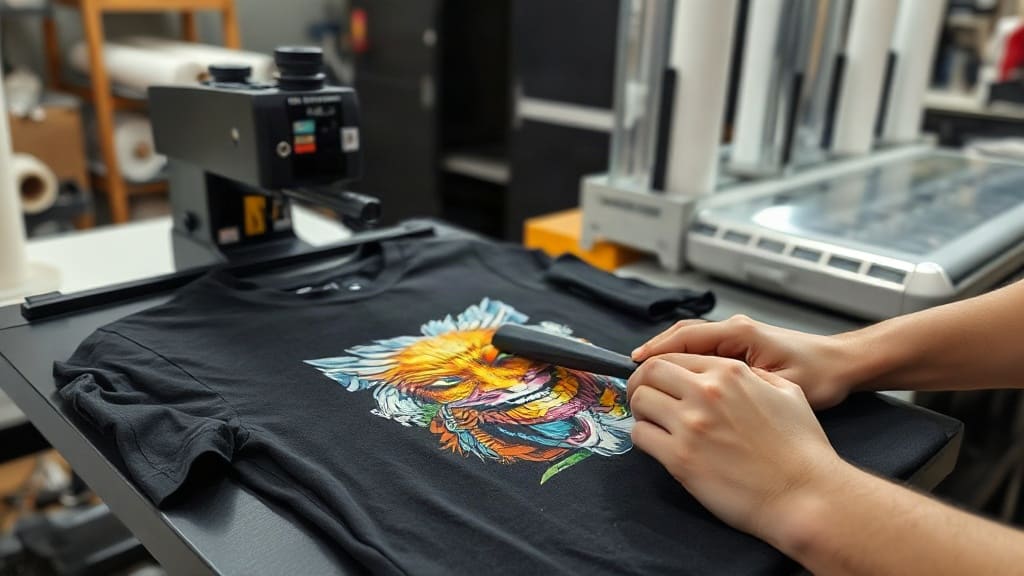
When you want custom apparel that stands out, the printing method you choose makes all the difference. Enter DTF transfers, a technology that has taken the garment decoration world by storm. Unlike traditional methods that limit your fabric choices or fade quickly, DTF (Direct to Film) transfers deliver exceptional color vibrancy and durability on virtually any material. Whether you're a small business owner creating branded merchandise, a sports team manager outfitting players, or a DIY enthusiast exploring new crafts, understanding DTF transfers can unlock a world of creative possibilities.
What Are DTF Transfers?
DTF stands for Direct to Film. It's a printing process where your design is printed onto a special film, coated with a heat-activated adhesive powder, and then transferred onto fabric using a heat press. The result is a soft, stretchable print that bonds permanently to the material. Unlike DTG (Direct to Garment) printing, which requires pre-treated fabrics, DTF transfers work on cotton, polyester, blends, nylon, leather, and even hard-to-print materials like canvas and denim. This versatility makes DTF a game-changer for anyone needing high-quality custom prints without the constraints of traditional methods.
A Brief History of DTF
DTF printing emerged in the early 2010s as an alternative to screen printing and DTG. It gained popularity for its ability to produce full-color designs without the setup costs of screen printing and without the fabric limitations of DTG. Today, DTF is widely used in the apparel industry, from small custom shops to large-scale manufacturers.
How Does the DTF Transfer Process Work?
The DTF process involves several key steps, each crucial to achieving a professional finish. Here's a breakdown:
- Design Preparation: Your artwork is prepared digitally, ensuring it's mirrored and sized correctly. Most DTF printers use CMYK+White inks to create vibrant colors on any background.
- Printing: The design is printed onto a PET film using a DTF printer. The white ink layer is applied first (or last, depending on the printer setup) to ensure opacity on dark fabrics.
- Powder Application: While the ink is still wet, a thermoplastic powder is sprinkled over the film. The powder sticks to the wet ink and is then shaken off, leaving a thin, even layer.
- Curing: The film is heated to melt the powder, creating a adhesive layer that will bond with the fabric.
- Transfer: The film is placed on the garment and pressed with a heat press at a specific temperature and pressure for a set time. Once cooled, the film is peeled away, leaving the design embedded in the fabric.
Each step requires precision, but with practice, the process becomes second nature. The beauty of DTF is that it allows for intricate details and gradients that other methods struggle to reproduce.
Why Choose DTF Transfers Over Other Printing Methods?
If you're wondering whether DTF is right for your project, consider these advantages:
- Fabric Versatility: DTF adheres to almost any fabric, including cotton, polyester, blends, and even treated leather. No need for pre-treatment or specific fabric types.
- Vibrant Colors: The CMYK+White ink system produces bright, opaque colors that pop on both light and dark garments.
- Durability: When applied correctly, DTF prints withstand repeated washing without cracking, peeling, or fading. They stretch with the fabric, making them ideal for activewear.
- Cost-Effective for Short Runs: Unlike screen printing, which requires separate screens for each color, DTF has no setup costs per color. This makes it perfect for small batches and personalized items.
- Soft Feel: The prints are thin and flexible, so they don't feel heavy or plastic-like on the garment.
- Eco-Friendly Options: Many DTF powders and films are now available in biodegradable or recycled versions, reducing environmental impact.
These benefits explain why DTF transfers have become a favorite among custom apparel creators.
DTF vs. Other Printing Methods: A Quick Comparison
To help you decide, here's how DTF stacks up against common alternatives:
- DTF vs. Screen Printing: Screen printing is cost-effective for large orders but requires setup and works best on flat fabrics. DTF wins for small runs, complex designs, and unusual fabrics.
- DTF vs. DTG: DTG is great for 100% cotton but requires pre-treatment and can be less vibrant on dark colors. DTF works on more fabrics and often produces more durable results.
- DTF vs. Vinyl: Heat transfer vinyl (HTV) is limited to single-color designs and layering. DTF handles full-color, photographic designs with ease.
- DTF vs. Sublimation: Sublimation only works on polyester or specially coated items. DTF adheres to a wider range of materials.
While each method has its place, DTF's flexibility makes it a top choice for many projects.
Applications of DTF Transfers
DTF isn't just for t-shirts. Its versatility opens up countless applications:
- Apparel: T-shirts, hoodies, jeans, jackets, and activewear.
- Accessories: Tote bags, hats, socks, and even shoes.
- Home Decor: Throw pillows, blankets, and curtains.
- Promotional Items: Branded uniforms, event merchandise, and corporate giveaways.
- Specialty Items: Leather goods, canvas bags, and denim jackets.
If you can heat press it, you can probably DTF it.
Tips for Successful DTF Transfers
To get the best results, follow these expert tips:
- Choose Quality Materials: Not all DTF films and powders are created equal. Invest in reputable brands to ensure consistent results.
- Master the Heat Press: Temperature, pressure, and time are critical. Follow the manufacturer's recommendations and test on scrap fabric first.
- Pre-Press Your Garment: This removes moisture and wrinkles, ensuring a smooth surface for the transfer.
- Use the Right Peel: DTF films can be hot peel or cold peel. Know which type you're using to avoid ruining the design.
- Store Properly: Keep unused film in a cool, dry place to prevent the powder from absorbing moisture.
- Wash Inside Out: To extend the life of your DTF prints, wash garments inside out in cold water and avoid bleach.
With a bit of practice, you'll achieve professional-looking results every time.
Common Challenges and How to Overcome Them
Even with the best practices, you might encounter issues. Here's how to troubleshoot:
- Faded or Dull Colors: Ensure your printer is using the correct ICC profile and that the ink is fresh. Also, check that the powder is fully cured.
- Peeling or Cracking: This usually indicates insufficient pressure, incorrect temperature, or not enough powder. Adjust your heat press settings and re-test.
- Sticky Residue: If the transfer leaves a sticky feel, you might be over-powdering. Shake off excess powder thoroughly before curing.
- Film Not Peeling Cleanly: If the film tears or leaves ink behind, you may be peeling at the wrong temperature. Check whether your film is hot or cold peel.
Most problems are solvable with small adjustments.
Future of DTF Transfers
The DTF industry is rapidly evolving. We're seeing advancements in eco-friendly powders, faster printers, and even DTF printers designed for home use. As technology improves, DTF transfers will become even more accessible and sustainable, solidifying their place in the custom apparel market.
Frequently Asked Questions About DTF Transfers
How long do DTF transfers last?
When applied correctly, DTF transfers can last as long as the garment itself. They withstand 50+ washes without fading or cracking if cared for properly.
Can I use DTF transfers on dark fabrics?
Absolutely. DTF uses a white ink base that makes colors pop on dark backgrounds. No need for special pre-treatment.
What fabrics work best with DTF?
DTF works on cotton, polyester, blends, nylon, leather, and more. It's one of the most versatile printing methods available.
Do I need a special printer for DTF?
Yes, you need a DTF printer that uses DTF inks and film. However, you can also buy pre-printed DTF transfers from suppliers if you don't want to invest in a printer.
Is DTF printing cost-effective for small orders?
Yes, DTF is very cost-effective for small to medium orders because there are no setup fees per color, unlike screen printing.
DTF transfers are more than a trend; they're a reliable, versatile solution for creating custom apparel that lasts. Whether you're printing one shirt or a hundred, DTF delivers quality and flexibility that's hard to beat. So why not give it a try? Your creativity is the only limit.