
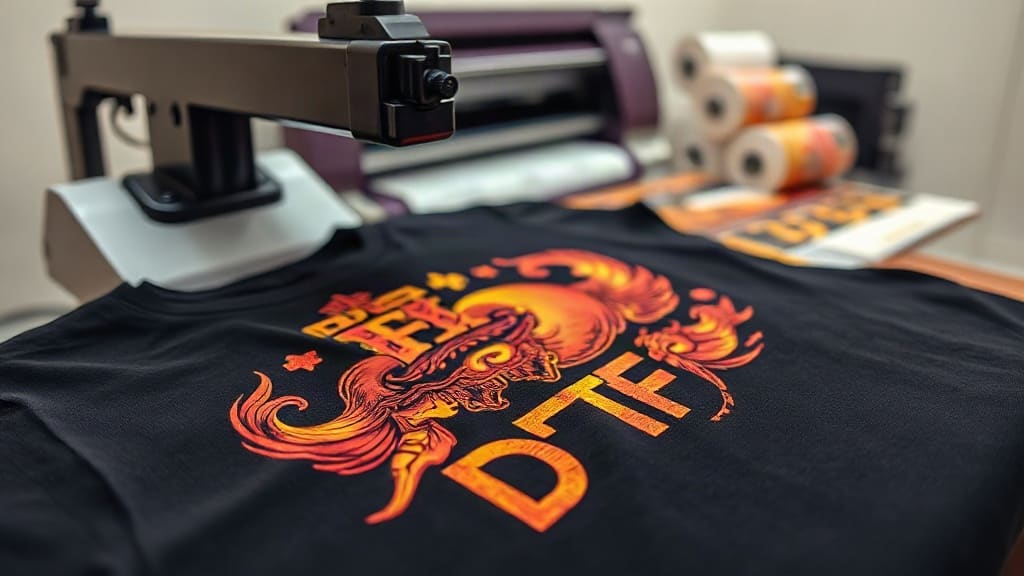
When you want to create custom apparel that stands out, the printing method you choose makes all the difference. DTF transfers have quickly become a go-to solution for businesses and creators who demand vibrant colors, intricate details, and long-lasting wear. Unlike traditional techniques that struggle with complex designs or dark fabrics, DTF transfers deliver consistent, professional results on nearly any material. In this guide, we'll walk you through everything you need to know about DTF transfers, from the science behind them to practical tips that ensure your projects succeed.
What Are DTF Transfers?
DTF stands for Direct to Film. It's a printing process where your design is printed onto a special PET film using water-based pigments, then coated with a thermoplastic adhesive powder. Once the powder is melted, the transfer is ready to be applied to fabric using a heat press. The film is peeled away, leaving a soft, stretchable print that bonds permanently to the material.
What sets DTF apart is its ability to print on virtually any fabric, including cotton, polyester, blends, and even leather. Unlike DTG (Direct to Garment) which requires pre-treatment and works best on cotton, DTF transfers don't need any surface preparation. They also outperform vinyl in color complexity, allowing for full-color designs with gradients, fine lines, and photographic details.
How DTF Transfers Work: Step by Step
Understanding the process helps you appreciate why DTF transfers are so effective. Here's a breakdown of each stage:
- Design Preparation: Your artwork is loaded into specialized RIP software that mirrors the image and separates colors for printing.
- Printing: A DTF printer lays down white ink first (for opacity), followed by CMYK colors, all onto a PET film. The white layer ensures the design pops on dark garments.
- Powder Application: While the ink is still wet, a fine thermoplastic powder is sprinkled over the print. The excess is shaken off.
- Curing: The film passes through a heat source (often a conveyor oven) to melt the powder, creating a adhesive layer that will bond to fabric.
- Transfer: The cured film is placed on the garment and pressed with a heat press at 300-320°F for 10-15 seconds. After cooling, the film is peeled away, leaving a vibrant, durable print.
Each step is crucial, but the magic lies in the powder and the white ink base. They allow DTF transfers to adhere strongly while maintaining elasticity, so the print won't crack or fade even after repeated washes.
Why Choose DTF Transfers Over Other Methods?
If you're still on the fence, consider these advantages that make DTF transfers a superior choice for many applications:
- Unmatched Versatility: Works on cotton, polyester, blends, spandex, leather, and more. No need to stock different materials for different printing methods.
- No Pre-Treatment: Saves time and money. DTG requires pre-treating, which adds steps and chemicals.
- Vibrant Colors on Dark Fabrics: The white ink base ensures colors remain bright and opaque, even on black or navy shirts.
- Fine Detail Reproduction: DTF transfers handle small text, thin lines, and complex gradients with ease, unlike vinyl which requires weeding.
- Durability: When applied correctly, DTF prints withstand 50+ washes without cracking, peeling, or fading.
- Cost-Effective for Small Runs: No minimum order quantities and low setup costs make DTF ideal for small businesses and personalized items.
These benefits explain why DTF transfers have become a staple in the custom apparel industry, from one-off gifts to small-batch production.
Applications of DTF Transfers
The versatility of DTF transfers opens up a world of possibilities. Here are some popular uses:
- Custom T-Shirts: Perfect for band merch, event shirts, and personalized gifts.
- Sportswear: The stretchable print moves with the fabric, ideal for jerseys and activewear.
- Corporate Uniforms: Add logos to polo shirts, hoodies, and jackets with professional results.
- Fashion Apparel: Create intricate designs on denim, leather jackets, and more.
- Promotional Items: Tote bags, caps, and aprons can all be customized with DTF transfers.
Whether you're a small business owner or a DIY enthusiast, DTF transfers offer a reliable way to bring your designs to life on a wide range of products.
Tips for Perfect DTF Transfers
To get the best results, follow these expert recommendations:
1. Choose the Right Film
Not all DTF films are created equal. Look for films with a consistent coating that release the print cleanly. Double-sided matte films are popular for their reliability.
2. Control Moisture
Fabric moisture can ruin adhesion. Pre-press garments for a few seconds to remove wrinkles and moisture before applying the transfer.
3. Use Consistent Pressure
Heat press pressure should be firm and even. Too little pressure and the transfer won't bond; too much and the design may spread or the film may wrinkle.
4. Peel at the Right Temperature
Most DTF transfers are cold peel, meaning you wait until the transfer cools completely before removing the film. This allows the adhesive to set properly.
5. Store Transfers Correctly
Keep unused DTF transfers in a cool, dry place away from direct sunlight. They can last for months if stored properly.
By following these tips, you'll achieve professional-looking results every time.
Common Mistakes to Avoid
Even experienced users can run into issues. Here are pitfalls to watch out for:
- Insufficient Curing: If the powder isn't fully melted, the transfer won't adhere. Always follow the manufacturer's curing guidelines.
- Wrong Peel Type: Using hot peel on a cold peel transfer can cause the design to lift. Know your transfer type.
- Overstretching: While DTF prints are stretchable, overstretching during application can distort the design. Press smoothly without pulling.
- Ignoring Fabric Type: Some fabrics like nylon require lower temperatures. Always test on a scrap piece first.
Avoiding these mistakes will save you time and materials.
DTF Transfers vs. Other Printing Methods
How does DTF stack up against DTG, screen printing, and vinyl? Here's a quick comparison:
- DTG: Best for cotton, requires pre-treatment, less durable on synthetics. DTF works on more fabrics and often has better washability.
- Screen Printing: Cost-effective for large runs but expensive for small batches and limited colors. DTF is ideal for full-color, small runs.
- Vinyl: Good for simple designs but can't handle complex images. DTF excels at detailed, multi-color artwork.
Each method has its place, but DTF transfers offer a unique combination of versatility, quality, and cost-efficiency.
Frequently Asked Questions About DTF Transfers
What fabrics can I use with DTF transfers?
DTF transfers work on almost any fabric, including cotton, polyester, cotton-poly blends, spandex, leather, and even some nylons. They are especially good for dark colors because of the white ink base.
How long do DTF transfers last?
With proper application and care, DTF prints can last as long as the garment itself. They typically withstand 50+ washes without significant fading, cracking, or peeling. Always wash inside out in cold water and avoid harsh detergents.
Do I need a special printer for DTF transfers?
Yes, DTF printing requires a dedicated DTF printer that uses pigment inks and a white ink channel. However, you can also buy pre-made DTF transfers from suppliers if you don't want to invest in equipment.
Can I apply DTF transfers with a home iron?
While it's possible to use a home iron, it's not recommended because achieving consistent temperature and pressure is difficult. A heat press is essential for professional, durable results.
Are DTF transfers safe for children's clothing?
Yes, DTF transfers are safe for children's clothing as long as they are applied correctly and the inks are non-toxic. Most DTF inks are water-based and CPSIA compliant. Always check with your supplier for safety certifications.
Final Thoughts
DTF transfers have transformed the custom apparel industry by making high-quality, full-color printing accessible to everyone. Whether you're a small business owner looking to offer custom shirts or a DIY enthusiast wanting to personalize gifts, DTF transfers provide a reliable, versatile solution. With the right techniques and a bit of practice, you can achieve professional results that impress. So why wait? Explore the world of DTF transfers and unlock endless creative possibilities for your apparel projects.