
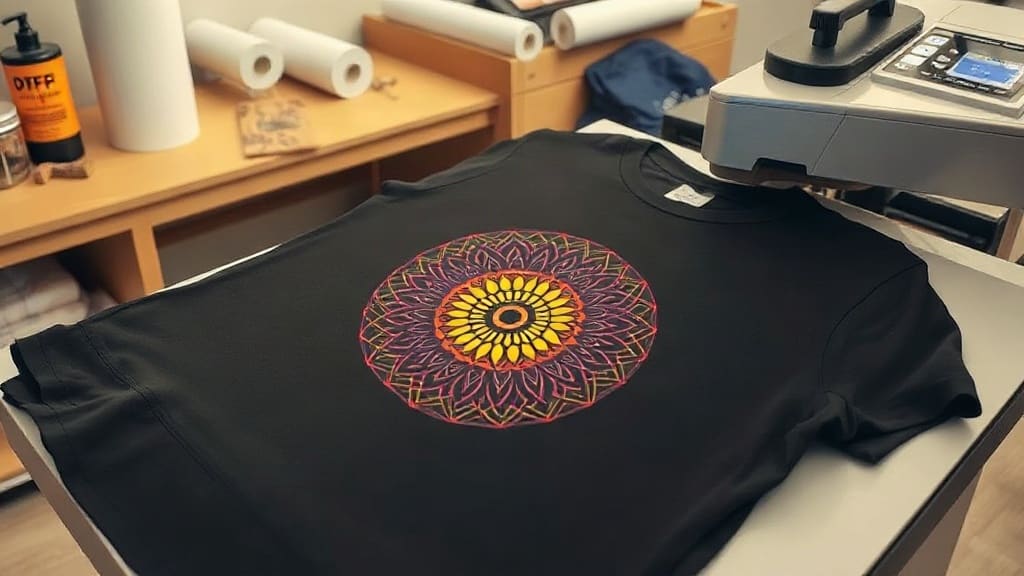
When it comes to custom apparel, the printing method you choose can make or break the final product. If you've been searching for a way to achieve vibrant, detailed designs on a wide range of fabrics without breaking the bank, DTF transfers might be exactly what you need. Unlike traditional methods that limit your fabric choices or require minimum orders, DTF transfers offer incredible flexibility, durability, and color intensity that can elevate any garment. In this guide, we'll dive deep into what DTF transfers are, how they work, and why they've become a go-to solution for both hobbyists and professional printers.
What Are DTF Transfers?
DTF stands for Direct to Film. It's a printing technology where your design is printed onto a special film, coated with a adhesive powder, and then heat-pressed onto the fabric. The result is a soft, stretchable, and highly durable print that bonds seamlessly with the material. Unlike DTG (Direct to Garment) printing, which requires pretreating and works best on cotton, DTF transfers can be applied to almost any fabric: cotton, polyester, blends, nylon, leather, and even treated wood. This versatility makes DTF transfers a favorite for creating custom t-shirts, hoodies, tote bags, and more.
The Science Behind DTF Transfers
At its core, DTF printing involves a few key components: a specialized film, water-based pigment inks, and a thermoplastic polyurethane (TPU) adhesive powder. The design is printed onto the film in mirror image using the pigment inks. While the ink is still wet, TPU powder is sprinkled over it. After shaking off the excess, the film is cured in an oven or with a heat gun. This melts the powder into a flexible adhesive layer. When you're ready to apply, you simply heat press the film onto your fabric, peel away the film, and the design remains bonded to the garment. The TPU powder acts as a glue that fuses the ink to the fabric fibers, creating a strong, wash-resistant bond.
Why Choose DTF Transfers Over Other Methods?
There are several printing methods out there, each with its own strengths and weaknesses. So why should you consider DTF? Let's break it down.
Unmatched Versatility
One of the biggest advantages of DTF transfers is their ability to adhere to a wide range of materials. Whether you're working with 100% cotton, polyester, or a 50/50 blend, DTF works beautifully. This is a game-changer for those who want to print on dark garments or synthetic fabrics, which can be challenging with other methods like DTG or sublimation. Additionally, DTF transfers can be applied to non-textile items such as canvas shoes, backpacks, and even metal, opening up a world of creative possibilities.
Vibrant Colors and Fine Details
DTF printing uses CMYK+W inks, which means you can achieve a full spectrum of colors, including bright whites and deep blacks. The white ink layer is particularly important because it allows the colors to pop on dark fabrics without the need for a separate white underbase. The technology also supports high-resolution printing, so even the most intricate designs, including fine lines, gradients, and small text, come out sharp and clear. If you've ever been disappointed by the limited color gamut of vinyl or the dot pattern of screen printing, DTF will impress you with its photographic quality.
Cost-Effective for Small and Large Runs
Unlike screen printing, which requires separate screens for each color and becomes cost-effective only at higher quantities, DTF transfers are economical for both small and large orders. There are no setup fees, no minimums, and you can print one-off designs without wasting material. For small businesses or individuals creating custom merchandise, this is a huge advantage. Even for larger runs, the per-unit cost remains competitive, especially when you factor in the ability to gang multiple designs onto a single film.
Durability and Washability
When applied correctly, DTF transfers are incredibly durable. They can withstand repeated washing without fading, cracking, or peeling. The TPU adhesive creates a strong bond that flexes with the fabric, so even stretchy materials like spandex blends won't cause the print to break. Proper care, such as washing inside out in cold water and avoiding harsh detergents, will extend the life of the print even further. Many users report their DTF-printed garments lasting for years.
How to Apply DTF Transfers: Step-by-Step
Applying DTF transfers is straightforward, but following the correct steps is crucial for a professional finish. Here's a detailed guide.
Step 1: Prepare Your Equipment
You'll need a heat press (not an iron, as consistent pressure and temperature are key), a DTF transfer film with your design, and a garment. Set your heat press to the recommended temperature, typically around 300°F to 325°F (150°C to 160°C). Pre-press the garment for a few seconds to remove moisture and wrinkles.
Step 2: Position the Transfer
Place the DTF transfer film onto the garment with the printed side facing up. If your design includes white ink, the film will have a slightly tacky feel. Position it exactly where you want it. You can use heat-resistant tape to hold it in place if needed.
Step 3: Press and Peel
Cover the transfer with a Teflon sheet or parchment paper to protect your heat press. Apply medium to heavy pressure for 10-15 seconds. For the best results, use a two-step pressing method: first press for 5 seconds, peel the film while it's still warm (warm peel), then cover with Teflon and press again for another 10 seconds to fully cure the adhesive. This ensures maximum durability. Alternatively, some films are designed for cold peel; always follow the film manufacturer's instructions.
Step 4: Post-Press and Inspect
After the final press, allow the garment to cool completely. Inspect the edges of the design to ensure they are well bonded. If you notice any lifting, you can re-press for a few more seconds. Your custom apparel is now ready to wear or sell.
DTF vs. Other Printing Methods: A Comparison
To help you decide if DTF is right for your project, here's how it stacks up against other popular methods.
- DTF vs. DTG: DTG is great for 100% cotton and offers a soft hand, but it requires pretreating and can be less vibrant on dark colors. DTF works on more fabrics and produces more consistent results.
- DTF vs. Screen Printing: Screen printing is cost-effective for large quantities of simple designs but has setup costs and limited colors. DTF excels at detailed, multi-color designs and small runs.
- DTF vs. Vinyl: Vinyl is durable but limited to simple shapes and solid colors. DTF can reproduce complex images and gradients with ease.
- DTF vs. Sublimation: Sublimation only works on polyester and requires white fabric. DTF works on any color and fabric, making it far more versatile.
Common Challenges and How to Overcome Them
While DTF is relatively easy, some issues can arise. Here are solutions to common problems.
Adhesive Failure
If the transfer peels off after washing, it's likely due to insufficient pressure, incorrect temperature, or not enough powder. Ensure your heat press is calibrated and apply consistent pressure. Also, make sure the TPU powder is evenly applied and fully cured.
Color Fading
Fading can occur if the transfer is over-pressed or washed with harsh chemicals. Use lower temperatures and shorter pressing times. Always wash garments inside out in cold water and avoid bleach.
Film Sticking to the Press
This happens when the transfer is pressed without a protective sheet. Always use a Teflon sheet or parchment paper between the film and the heat press platen.
Expert Tips for Perfect DTF Transfers
Take your DTF game to the next level with these professional insights.
- Test your settings: Every heat press and film brand behaves differently. Always do a test press on a scrap fabric to dial in the perfect temperature, pressure, and time.
- Use high-quality film and powder: Cheaper materials can lead to inconsistent results. Invest in reputable brands for reliable performance.
- Store transfers properly: Keep unused DTF transfers in a cool, dry place away from direct sunlight to prevent the adhesive from activating prematurely.
- Consider a pre-treat for stretchy fabrics: For highly elastic materials like spandex, a light application of heat transfer adhesive can improve bond strength.
Frequently Asked Questions About DTF Transfers
Can I use DTF transfers on dark colors?
Absolutely! DTF transfers are excellent for dark fabrics because they include a white ink layer that makes colors pop without needing a separate underbase. The white ink is printed first, followed by the CMYK colors, ensuring vibrant results on any background.
How long do DTF transfers last?
With proper application and care, DTF transfers can last as long as the garment itself. They are resistant to cracking, peeling, and fading. Washing inside out in cold water and avoiding high heat in the dryer will maximize their lifespan.
Do I need a special printer for DTF transfers?
Yes, DTF printing requires a dedicated DTF printer that uses pigment inks and can handle the film. However, you can also purchase pre-printed DTF transfers from service providers if you don't want to invest in the equipment.
What fabrics work best with DTF transfers?
DTF transfers work on a wide range of fabrics, including cotton, polyester, blends, nylon, leather, and more. They are particularly useful for fabrics that are difficult to print on with other methods, such as dark polyester.
Can I apply DTF transfers with a home iron?
While it's possible to use a home iron, it's not recommended because it's difficult to achieve consistent pressure and temperature. A heat press is essential for professional, durable results. If you must use an iron, use the highest setting without steam and apply firm pressure.