
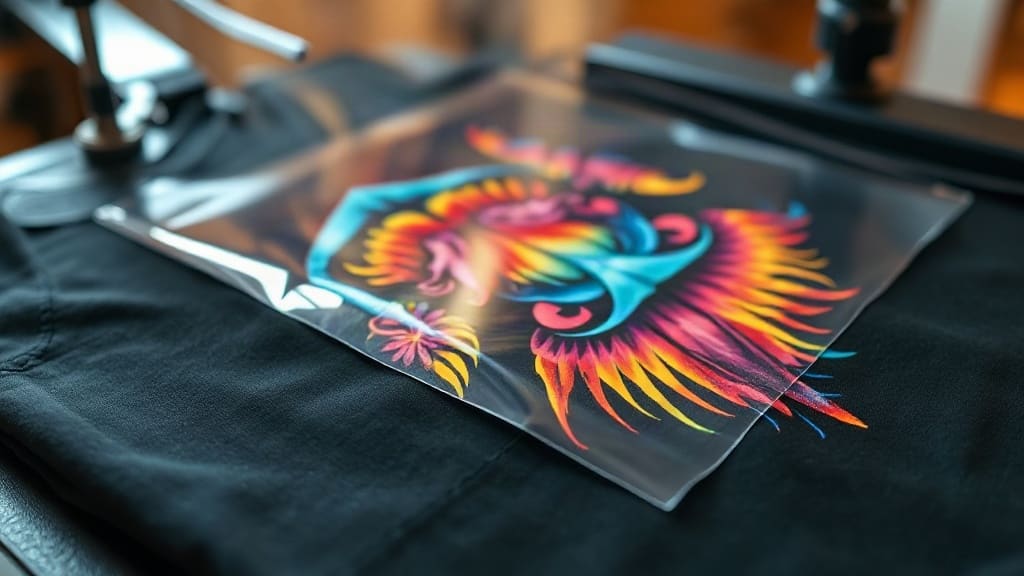
If you've been exploring custom apparel printing, you've likely encountered DTF transfers. This technology has rapidly gained popularity among hobbyists and professionals alike, offering a versatile and cost-effective way to bring vibrant designs to life on various fabrics. Unlike traditional methods that require specific materials, DTF transfers work on almost any fabric, from cotton to polyester and blends. In this guide, we'll dive deep into what DTF transfers are, how they work, and why they might be the perfect solution for your next project.
What Are DTF Transfers?
DTF stands for Direct to Film. It's a printing process where your design is printed onto a special PET film using water-based inks, then coated with a hot-melt adhesive powder. Once the powder is cured, the transfer is ready to be applied to fabric using a heat press. The result is a soft, stretchable, and durable print that adheres well to the material.
The magic of DTF transfers lies in their simplicity and adaptability. You don't need to pre-treat the fabric or use special weeding tools like you would with vinyl. The process is clean, efficient, and works on a wide range of colors, including dark garments, without the need for a white underbase.
The DTF Printing Process Explained
Creating a DTF transfer involves several steps:
- Design Preparation: Your artwork is prepared digitally, ensuring it's mirrored and sized correctly.
- Printing: The design is printed onto a PET film using a DTF printer with CMYK and white inks.
- Powdering: While the ink is still wet, a hot-melt adhesive powder is applied evenly over the print.
- Curing: The film is heated to melt the powder, creating a bond that will later adhere to the fabric.
- Transfer: The film is placed on the garment and pressed with a heat press, transferring the design permanently.
Each step is crucial for achieving a professional finish. However, once you have the equipment, the process becomes second nature.
Why Choose DTF Transfers?
There are several compelling reasons to opt for DTF transfers over other printing methods:
- Versatility: Works on cotton, polyester, blends, and even treated nylon. No need for multiple types of vinyl.
- Durability: The prints are stretchable and resistant to cracking, peeling, and fading, even after multiple washes.
- Vibrancy: DTF transfers produce bright, detailed images with fine lines and gradients, thanks to the white ink base.
- Cost-Effective: For small to medium batches, DTF is more affordable than screen printing, and there's no minimum order quantity.
- Ease of Use: No weeding or masking required. Just print, powder, cure, and press.
These benefits make DTF transfers an excellent choice for custom t-shirts, hoodies, tote bags, and more. Whether you're a small business owner or a DIY enthusiast, DTF can elevate your creations.
DTF vs. Other Printing Methods
How does DTF stack up against heat transfer vinyl (HTV) and screen printing?
- DTF vs. HTV: HTV requires weeding and layering for multi-color designs, which is time-consuming. DTF allows you to print full-color designs in one go, with no weeding. DTF also adheres better to stretchy fabrics.
- DTF vs. Screen Printing: Screen printing is cost-effective for large orders but requires setup and is limited to certain fabrics. DTF has no setup costs and works on almost any fabric, making it ideal for small batches and complex designs.
- DTF vs. DTG: Direct-to-garment (DTG) printing is limited to cotton and requires pre-treatment. DTF works on more fabrics and often produces more vibrant colors on dark shirts.
While each method has its place, DTF transfers offer a unique blend of flexibility and quality that's hard to beat.
Getting Started with DTF Transfers
Ready to dive into DTF printing? Here's what you'll need:
- DTF Printer: A dedicated DTF printer with white ink circulation. Epson conversions are popular, but purpose-built printers are also available.
- DTF Inks: Water-based pigment inks designed for DTF.
- PET Film: Special film that releases the print when heated.
- Adhesive Powder: Hot-melt powder that bonds the ink to the fabric.
- Heat Press: For curing the powder and transferring the design.
- Design Software: Any graphic design software like Photoshop or Illustrator.
If you're not ready to invest in a printer, you can also purchase pre-printed DTF transfers from suppliers. This is a great way to test the waters before committing to the full setup.
Step-by-Step Application Guide
Applying a DTF transfer is straightforward. Follow these steps for best results:
- Preheat your heat press to 325°F (160°C).
- Place the garment on the press and pre-press for 5-10 seconds to remove moisture.
- Position the DTF transfer on the garment with the printed side facing up.
- Press with medium pressure for 10-15 seconds.
- Allow the transfer to cool completely before peeling off the film. For a matte finish, peel while hot; for glossy, peel cold.
- For added durability, press again for 5 seconds with a protective sheet.
Always test on a scrap piece of fabric first to dial in your settings.
Common Challenges and Solutions
Even with a great setup, you might encounter issues. Here are some common problems and how to fix them:
- Ink Not Adhering: Ensure the powder is applied evenly and cured properly. Increase pressure or temperature slightly.
- Cracking: This can happen if the transfer is stretched too much during application. Use a stretchable DTF film and avoid overstretching.
- Faded Colors: Make sure you're using high-quality inks and curing at the correct temperature. Under-curing can lead to washing out.
- Film Sticking: If the film doesn't peel cleanly, it might be due to insufficient cooling or too much pressure. Adjust your process.
With practice, you'll overcome these hurdles and achieve consistent results.
Frequently Asked Questions
Can I use DTF transfers on any fabric?
DTF transfers work best on cotton, polyester, and blends. They can also be applied to treated nylon and leather, but adhesion may vary. Always test on a small area first.
How durable are DTF transfers?
When applied correctly, DTF transfers are highly durable. They can withstand 50+ washes without fading, cracking, or peeling. Proper application and curing are key.
Do I need a special printer for DTF?
Yes, DTF printing requires a printer capable of printing white ink and using DTF inks. Many people convert Epson printers, but dedicated DTF printers are also available.
Is DTF printing cost-effective for small businesses?
Absolutely. DTF has low startup costs compared to screen printing, and there's no minimum order. You can print one-off designs or small batches profitably.
Can I sell items with DTF transfers?
Yes, you can sell garments decorated with DTF transfers. Just ensure you have the rights to the artwork and follow any licensing requirements.
DTF transfers are a game-changer in the custom apparel industry. With their versatility, durability, and ease of use, they empower creators to bring their ideas to life on a wide range of products. Whether you're a seasoned pro or just starting, incorporating DTF into your workflow can open up new possibilities. So why not give it a try? Your next custom creation awaits.