
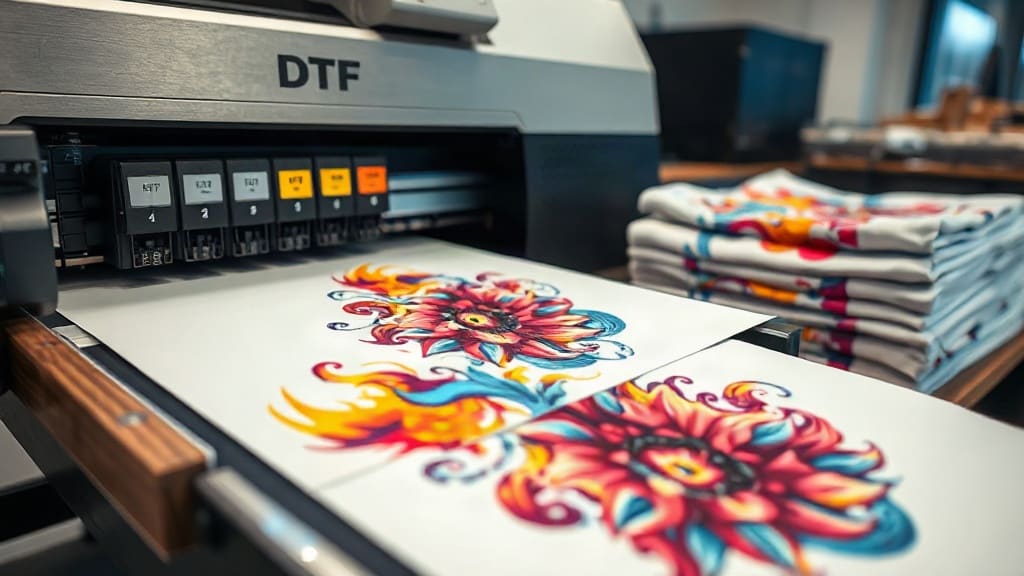
When you run a small apparel business or just love creating custom t-shirts for your community, the printing method you choose can make or break your designs. DTF printing, short for Direct to Film, has quickly become a favorite among creators who want professional-looking results without the hefty price tag or complicated setup. Unlike traditional screen printing, DTF lets you print full-color, highly detailed designs onto almost any fabric, and you can do it one shirt at a time. That means no minimum orders, no color limitations, and no stress about inventory. In this guide, I will walk you through everything you need to know about DTF printing, from how it works to how you can use it to grow your custom apparel game.
What Exactly Is DTF Printing?
DTF printing is a digital printing technique where your design is printed onto a special film, coated with a powder adhesive, and then heat-pressed onto fabric. The process is surprisingly straightforward: you print, powder, cure, and press. The result is a soft, stretchable print that bonds permanently to the garment. Because it is digital, you can print any design you want, from photorealistic images to fine line art, without worrying about color separations or screen setup. This makes DTF incredibly versatile for small businesses, hobbyists, and anyone who wants to experiment with custom apparel.
How DTF Works Step by Step
Let me break down the DTF process into simple steps so you can visualize it:
- Design preparation: Create your artwork in a graphic design program and mirror it horizontally. This is crucial because the film will be flipped when pressed.
- Printing: Use a DTF printer with specialty inks (usually CMYK plus white) to print your design onto a PET film. The white ink layer is what makes the colors pop on dark fabrics.
- Powdering: While the ink is still wet, sprinkle a hot-melt adhesive powder over the print. Shake off the excess, leaving a thin, even layer.
- Curing: Place the film in a curing oven or under a heat press for a few minutes to melt the powder. This creates a dry, tack-free surface.
- Heat pressing: Position the film onto your garment and press at around 325°F (160°C) for 15-20 seconds. Peel the film off while it's hot or cold, depending on the film type.
That's it! The entire process can be done in a small workshop or even a spare room. I have seen people set up a DTF station in their garage and produce stunning shirts within a week.
Why DTF Printing Stands Out from Other Methods
You might be wondering how DTF compares to screen printing, DTG (Direct to Garment), or vinyl. Each has its place, but DTF shines in several areas:
- No color limits: You can print gradients, photographs, and intricate patterns with millions of colors. Screen printing requires a separate screen for each color, which gets expensive fast.
- Works on many fabrics: Cotton, polyester, blends, even leather and canvas. DTG often struggles with polyester, but DTF adheres beautifully.
- No minimums: Print one or one hundred. This is a game-changer for small businesses testing new designs.
- Durability: When applied correctly, DTF prints survive dozens of washes without fading or cracking. I have shirts I printed two years ago that still look great.
- Soft feel: Unlike vinyl, which can feel like a plastic patch, DTF prints are thin and flexible. They stretch with the fabric, so your design won't crack when the shirt stretches.
Of course, there are downsides. The initial investment in a DTF printer and supplies can be a few thousand dollars, and the process requires some trial and error to master. But for many, the flexibility and quality are worth it.
Getting Started with DTF: What You Need
If you are ready to dive into DTF printing, here is a checklist of essentials:
- DTF printer: Options range from converted Epson models to dedicated machines. Brands like Vivid, Mutoh, and Roland are popular. Expect to spend $1,500 to $5,000 for a decent starter printer.
- DTF ink: Specially formulated pigment inks, usually sold in 500ml or 1L bottles. You'll need CMYK plus white.
- PET film: Available in sheets or rolls. Double-sided matte film is common. It's important to match the film to your printer and powder.
- Hot-melt powder: Typically TPU-based, with particle sizes from 80 to 200 microns. Finer powder gives a softer feel.
- Curing oven or heat press: You can use a dedicated curing oven or a heat press for both curing and pressing. A heat press with precise temperature control is essential.
- Heat press: A clamshell or swing-away press with pressure adjustment. You'll use it for both curing the powder and applying the transfer.
- Design software: Adobe Photoshop, Illustrator, or free alternatives like GIMP or Inkscape. You'll need to create and mirror your designs.
Start with a small setup and upgrade as you grow. Many suppliers offer starter bundles that include everything you need to begin.
Choosing the Right DTF Printer for Your Needs
When shopping for a DTF printer, consider your production volume and budget. For hobbyists, a converted Epson EcoTank with a DTF ink system can work well and costs under $1,000. But if you plan to print daily, a dedicated DTF printer with a white ink circulation system is worth the investment. It prevents clogs and ensures consistent output. Look for models with roll feed for longer prints and a bulk ink system to reduce refill frequency. Also, check community forums and reviews; some printers are known for reliability, while others require constant tinkering.
Mastering the DTF Process: Tips from Experience
I have made plenty of mistakes with DTF, so you don't have to. Here are some hard-earned tips:
- Mirror your design: Always flip it horizontally before printing. If you forget, your text will be backwards.
- Control the powder: Too much powder leads to a rough, plasticky feel; too little causes poor adhesion. Aim for a thin, even coat. A powder shaker helps.
- Cure properly: Under-curing means the print will wash off; over-curing can make the film brittle. Follow the powder manufacturer's recommendations. Typically, cure at 300-320°F for 2-3 minutes.
- Press with pressure: You need medium to firm pressure for the transfer to bond. Adjust your heat press accordingly.
- Peel test: After pressing, let the garment cool completely, then try to peel the film. If it comes off cleanly, you're good. If not, adjust temperature or pressure.
- Wash inside out: To extend the life of your prints, wash garments inside out in cold water and tumble dry low.
These small details make a big difference in the final quality.
Common DTF Problems and How to Fix Them
Even with experience, issues pop up. Here are some common ones and solutions:
- Ink not adhering to film: This could be due to wrong film type or incorrect printer settings. Ensure you're using DTF film and that your printer's ink limits are set correctly.
- Powder not sticking: If the ink is too dry before powdering, the powder won't adhere. Work quickly after printing, or adjust your printer's ink density.
- Print cracking after wash: Usually caused by under-curing or insufficient pressure during pressing. Increase curing time or pressure.
- Colors look dull: Make sure you're using a white ink layer underneath. Without it, colors on dark fabrics will be muted.
Don't get discouraged. Troubleshooting is part of the learning curve.
Creative Applications of DTF Printing
DTF printing isn't just for t-shirts. You can use it on:
- Hoodies and sweatshirts: The stretchable print moves with the fabric.
- Tote bags: Great for custom merch or gifts.
- Denim jackets: Add patches or full-back designs.
- Sportswear: Because it stretches, it's perfect for jerseys and leggings.
- Home decor: Pillows, aprons, and even canvas shoes.
I have seen people print on wood and metal with special coatings, but that's more advanced. Stick to fabric for best results.
Is DTF Printing Right for Your Business?
If you run a small apparel brand or offer custom printing services, DTF can be a profitable addition. The ability to offer full-color, one-off prints with no setup fees means you can cater to niche markets, create limited editions, and fulfill orders on demand. Plus, the low waste compared to screen printing appeals to eco-conscious customers. However, if you plan to produce thousands of identical shirts, screen printing might still be more cost-effective per unit. But for variety and speed, DTF is hard to beat.
Frequently Asked Questions About DTF Printing
What fabrics work best with DTF printing?
DTF adheres well to cotton, polyester, blends, and even some synthetic fabrics like nylon. It's also suitable for leather and canvas. The key is to ensure the fabric can withstand the heat press temperature (around 325°F). Natural fibers like cotton give a slightly softer feel, while polyester may require a lower temperature to avoid scorching.
How long do DTF prints last?
With proper application and care, DTF prints can last as long as the garment itself. I have shirts that have been washed over 50 times with minimal fading. To maximize longevity, wash inside out in cold water and avoid harsh detergents. Tumble dry low or hang dry.
Can I use DTF on dark shirts?
Absolutely! DTF excels on dark fabrics because it uses a white ink base layer. This white layer makes colors vibrant and opaque, so your design pops even on black or navy. Just ensure your printer is set to print the white layer correctly.
Do I need a special printer for DTF?
You can convert a standard inkjet printer (like certain Epson models) to use DTF inks, but dedicated DTF printers are more reliable for frequent use. They have white ink circulation systems to prevent clogs and are built to handle the thicker inks. If you're just starting, a converted printer can be a cost-effective entry point.
How much does it cost to start DTF printing?
Initial costs vary. A basic converted printer setup with ink, film, powder, and a heat press might cost around $1,500 to $2,500. A dedicated DTF printer can range from $3,000 to $10,000. Consumables (ink, film, powder) cost about $1-2 per print, depending on size. It's an investment, but the flexibility and low minimums can pay off quickly if you sell custom apparel.
DTF printing has opened doors for creators who want to produce high-quality custom apparel without the constraints of traditional methods. Whether you're just starting or looking to expand your offerings, mastering DTF can set your business apart. Remember, practice makes perfect, so don't be afraid to experiment and learn from each print. Your customers will love the vibrant, durable results.