
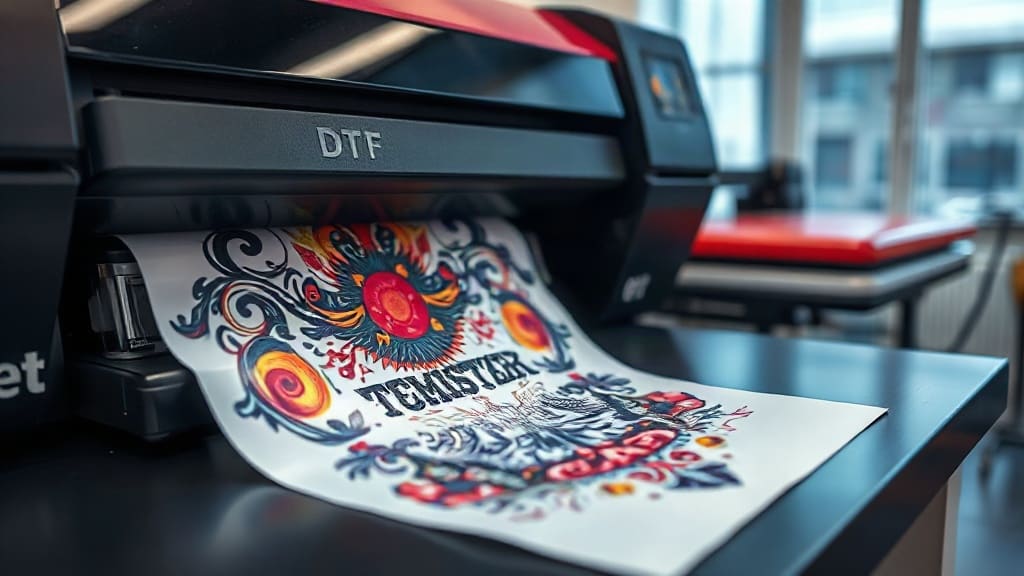
When you first hear about DTF printing, it might sound like just another industry acronym. But for anyone who has tried to transfer a detailed, multi-colored design onto a dark cotton t-shirt at home, DTF (Direct to Film) printing is a game-changer. Unlike traditional methods that require specific fabrics or expensive equipment, DTF opens up a world of possibilities for small business owners, hobbyists, and anyone who wants to create professional-looking custom apparel without a steep learning curve.
What Exactly Is DTF Printing?
DTF stands for Direct to Film. The process involves printing your design onto a special PET film using a DTF printer, which lays down a layer of white ink followed by colored inks. After printing, a hot-melt adhesive powder is applied to the wet ink, and the film is cured. Once cured, the design can be transferred onto fabric using a heat press. The adhesive melts and bonds the ink to the fabric, creating a durable, stretchable print. What sets DTF apart is its ability to work on almost any fabric, including cotton, polyester, blends, and even leather, without the need for pre-treatment. This versatility makes it a favorite among those who want to print on a variety of garments without investing in multiple technologies.
Why DTF Printing Is Gaining Popularity
The rise of DTF printing isn't just hype. It solves several pain points that have plagued custom apparel creators for years. Here are the main reasons it's catching on:
- No fabric restrictions: You can print on dark colors, light colors, and any material. No more worrying about whether your shirt is 100% cotton or a poly blend.
- Vibrant, detailed prints: DTF produces sharp, high-resolution images with gradients and fine details that other methods might struggle with.
- Stretch and durability: The prints stretch with the fabric, so they won't crack or peel easily, even after multiple washes.
- Cost-effective for small batches: Unlike screen printing, which requires separate screens for each color, DTF doesn't have setup costs per color. This makes short runs affordable.
- Simple workflow: With a DTF printer, you can go from digital file to finished product in minutes, without the messy chemicals of screen printing or the limitations of vinyl cutting.
These advantages have made DTF a go-to for Etsy sellers, sports teams, and promotional product companies. It's also a hit with DIY enthusiasts who want to personalize gifts or create their own brand.
How DTF Printing Works: Step by Step
Understanding the process helps you appreciate the results and troubleshoot issues. Here's a breakdown of the DTF printing workflow:
- Design preparation: Create your artwork in a graphics program. Ensure it's mirrored (flipped horizontally) because the film will be pressed face-down onto the fabric. Use CMYK color mode for accurate colors.
- Printing: Load the PET film into your DTF printer. The printer first lays down a white ink layer (for opacity), then prints the colors on top. Some printers also print a second white layer as a base.
- Powder application: While the ink is still wet, sprinkle hot-melt adhesive powder over the design. Shake off the excess. The powder sticks only to the wet ink.
- Curing: Place the film in a curing oven or under a heat press for a few minutes. This melts the powder and creates a smooth, dry surface. The film is now ready to store or use.
- Transfer: Set your heat press to the recommended temperature (usually 320-350°F) and pressure. Place the film on the fabric, cover with a protective sheet, and press for 10-15 seconds. Peel the film off while it's hot (or cold, depending on the film type).
That's it! The result is a vibrant, durable print that feels soft to the touch. With practice, you can produce dozens of shirts in an hour.
DTF vs. Other Printing Methods
How does DTF stack up against the competition? Let's compare it to two popular alternatives: DTG (Direct to Garment) and vinyl heat transfer.
DTF vs. DTG
DTG printing is great for 100% cotton and produces a soft feel, but it requires pre-treatment and can be finicky on dark shirts. DTF works on any fabric and doesn't need pre-treatment, but the print may have a slightly thicker hand (feel) due to the adhesive layer. For those who want versatility and minimal setup, DTF wins.
DTF vs. Vinyl
Vinyl cutting is ideal for simple, single-color designs. It's labor-intensive for multi-color images and limited in detail. DTF excels at complex, full-color graphics and photographs. If you're doing intricate designs, DTF is the clear choice.
Of course, each method has its place. But for a beginner who wants to offer a wide range of products without mastering multiple techniques, DTF is a smart starting point.
Getting Started with DTF Printing
Ready to dive in? Here's what you need to know to set up your own DTF printing operation.
Equipment and Supplies
To start, you'll need:
- A DTF printer (desktop models start around $1,500; industrial ones cost more).
- DTF ink (CMYK plus white).
- PET film (usually 13" or 24" wide).
- Hot-melt adhesive powder.
- A heat press (for both curing and transferring).
- A computer with design software (e.g., Photoshop, Illustrator, or free alternatives like GIMP/Inkscape).
You'll also want a well-ventilated workspace and some storage for your films.
Choosing a DTF Printer
When shopping for a printer, consider your volume and budget. Entry-level printers like the Prestige A4 or A3 are great for small batches. For higher production, look at roll-to-roll models from brands like Roland or Mimaki. Read reviews and join online communities to see real-world performance.
Design Tips for DTF
Not all designs translate well. Keep these tips in mind:
- Avoid very fine lines (less than 1pt) as they may not print clearly.
- Use high-contrast colors for better visibility.
- Remember to mirror your design before printing.
- Test on scrap fabric to dial in your heat press settings.
With a bit of experimentation, you'll find what works best for your style.
Common Challenges and How to Overcome Them
Even with a straightforward process, issues can arise. Here are some common problems and fixes:
- Print cracking after washing: This usually means the powder didn't cure properly or too much powder was used. Ensure even coverage and cure at the right temperature.
- Colors look dull: Check your printer's color profile and ensure you're using quality ink. Also, make sure the white ink layer is thick enough.
- Film not peeling: If the film sticks to the fabric, you might be pressing too hot or too long. Adjust your heat press settings.
- Adhesive residue on fabric: This happens when powder gets on areas outside the design. Brush off excess powder before curing.
Don't get discouraged. A little troubleshooting goes a long way.
Applications of DTF Printing
DTF isn't just for t-shirts. Its versatility makes it suitable for:
- Hoodies and sweatshirts
- Tote bags
- Denim jackets
- Sportswear (jerseys, leggings)
- Canvas shoes
- Home textiles (pillows, blankets)
- Promotional items (caps, aprons)
If you can heat press it, you can probably DTF it.
Frequently Asked Questions
Is DTF printing profitable for small businesses?
Absolutely. Because there are no minimum order quantities and low setup costs, you can offer custom apparel at competitive prices. Many small businesses start with DTF and scale up as demand grows.
How durable is a DTF print?
When applied correctly, a DTF print can last as long as the garment itself. It withstands repeated washing (inside out, cold water) without fading or cracking. Proper curing and quality materials are key.
Can I use DTF on 100% polyester?
Yes, DTF works on polyester, cotton, blends, and even nylon. It's one of the few methods that doesn't require a specific fabric type. Just adjust your heat press settings for the fabric.
What software do I need for DTF printing?
Any graphic design software that can export high-resolution images (300 DPI) will work. Adobe Photoshop and Illustrator are popular, but free options like GIMP and Inkscape are also fine. Some printer manufacturers provide RIP software for color management.
How do I store DTF films before transferring?
Keep them in a cool, dry place away from direct sunlight. Avoid stacking heavy objects on them. Properly cured films can be stored for several months.
Final Thoughts
DTF printing has democratized custom apparel. It's no longer necessary to have a garage full of screen printing equipment or to send orders to a distant supplier. With a modest investment and a bit of practice, you can produce stunning, durable prints right from your home or shop. Whether you're launching a clothing brand, creating team uniforms, or just making gifts for friends, DTF gives you the freedom to bring your ideas to life. So why not give it a try? The world of vibrant, full-color transfers is waiting.